Cottageville, SC
Forestry mulching around Cottageville is pine-country work. State surveys class more than half of Colleton County as timberland, roughly 457,000 acres, with about 185,000 acres of it standing in planted pine, and some 70 percent of that forest belongs to private landowners rather than timber companies. Cottageville sits in the middle of it on the 17-A corridor, a town of about 700 people and 3.4 square miles, ringed by tracts many times its own size. Eleven miles up the road is Walterboro; twenty miles the other way is Summerville. The ground between them is exactly what a mulching machine was built for.
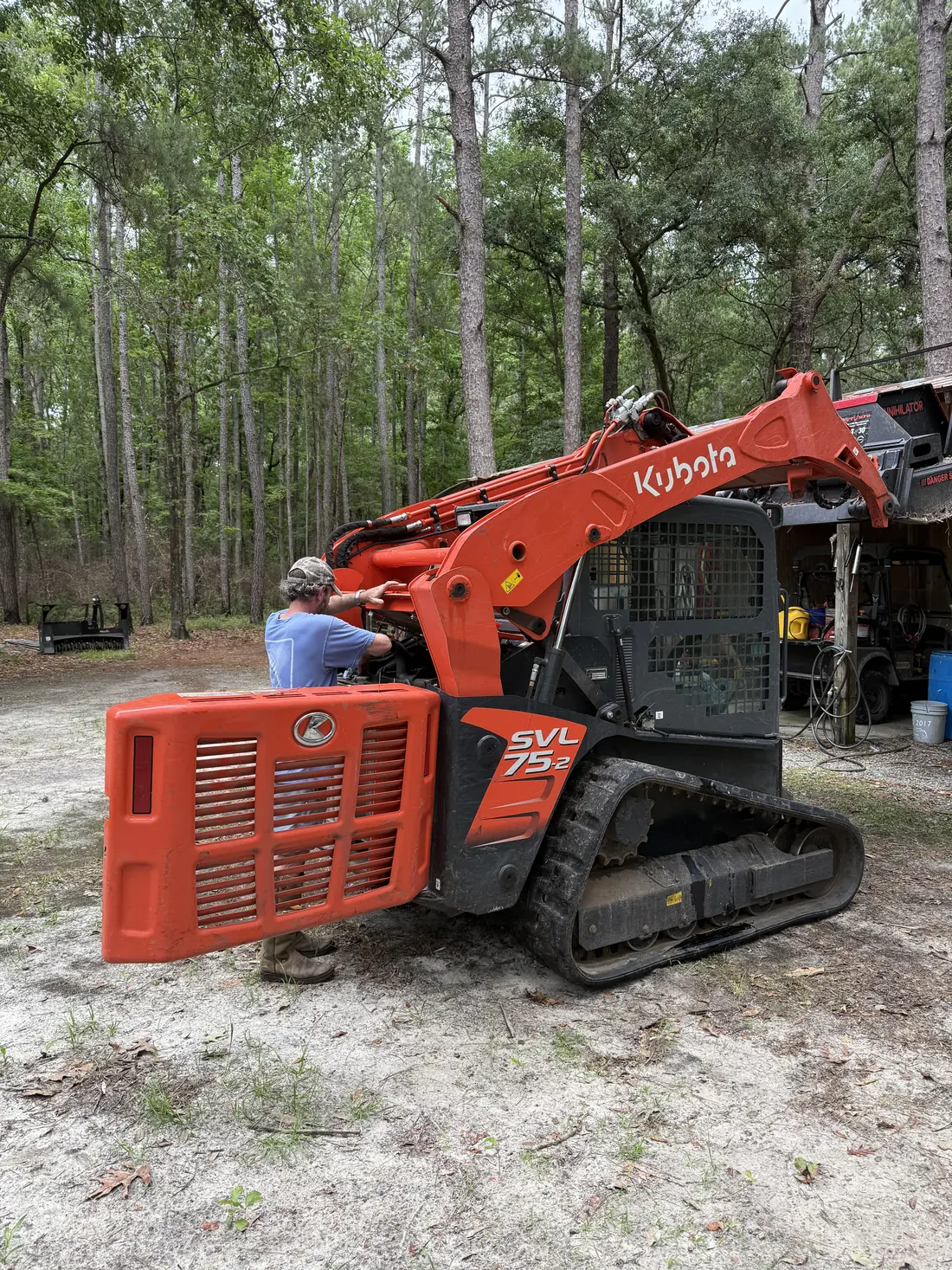
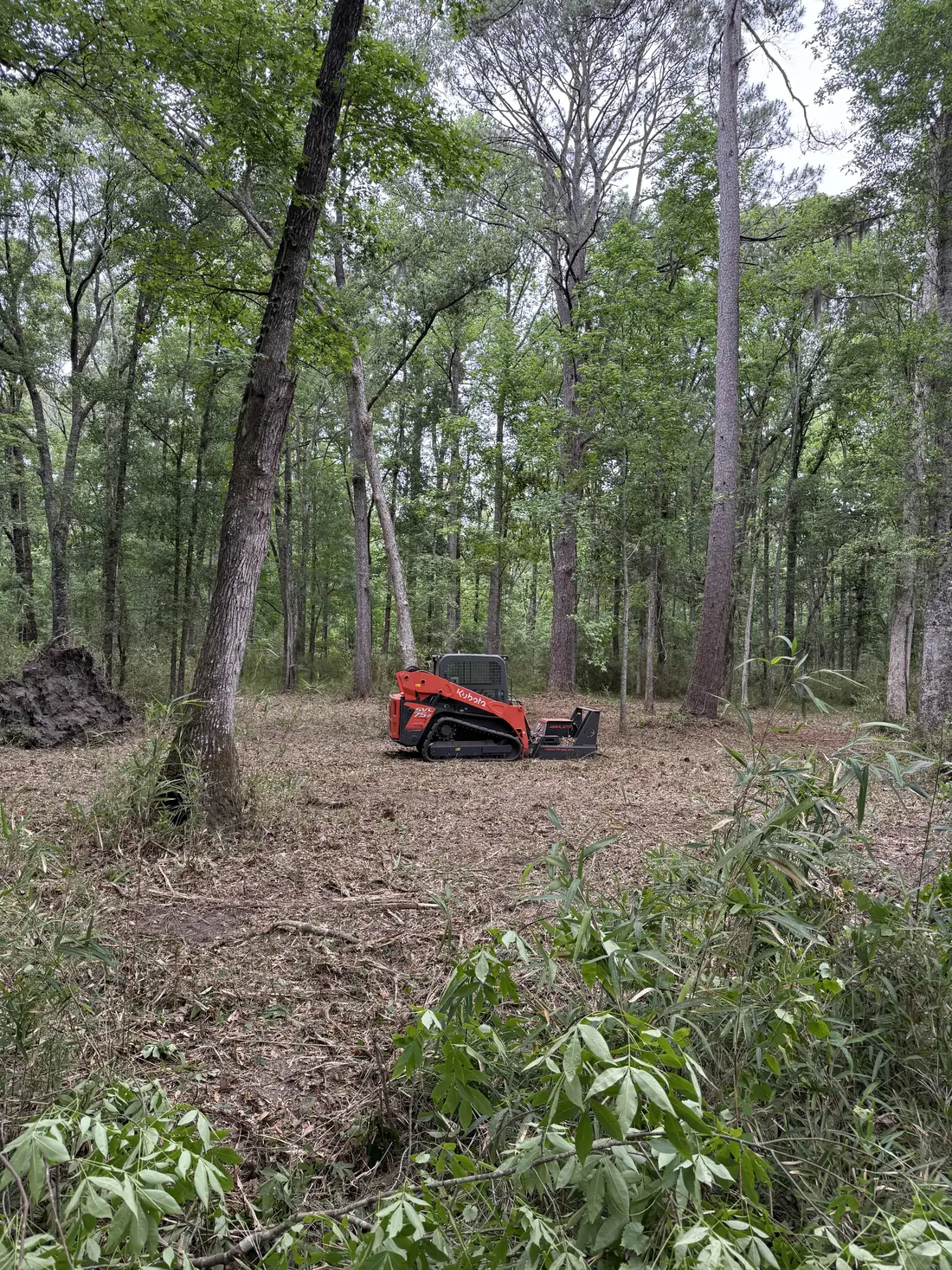
The pattern here repeats: planted stands whose understory has closed solid, cutovers gone to sweetgum and myrtle, homestead parcels where the back acres got away while everyone was working in town. Our tracked mulcher grinds all of it in place and leaves a chip floor instead of burn piles, and the tractor handles the open-field side of the same properties. The method is laid out on our main forestry mulching page, the town's full service picture is on the Cottageville land clearing page, and ACE Basin Forestry runs it all from one county over in the Basin.
Tell us about your ground and we will get right back to you.
With this much of Colleton County in planted pine, the understory cycle is the local constant. A stand thinned a few years back closes up underneath: sweetgum and water oak whips, wax myrtle, smilax stitching the rows shut. By the time a landowner wants to walk it, hunt it or show it, the stand is a wall.
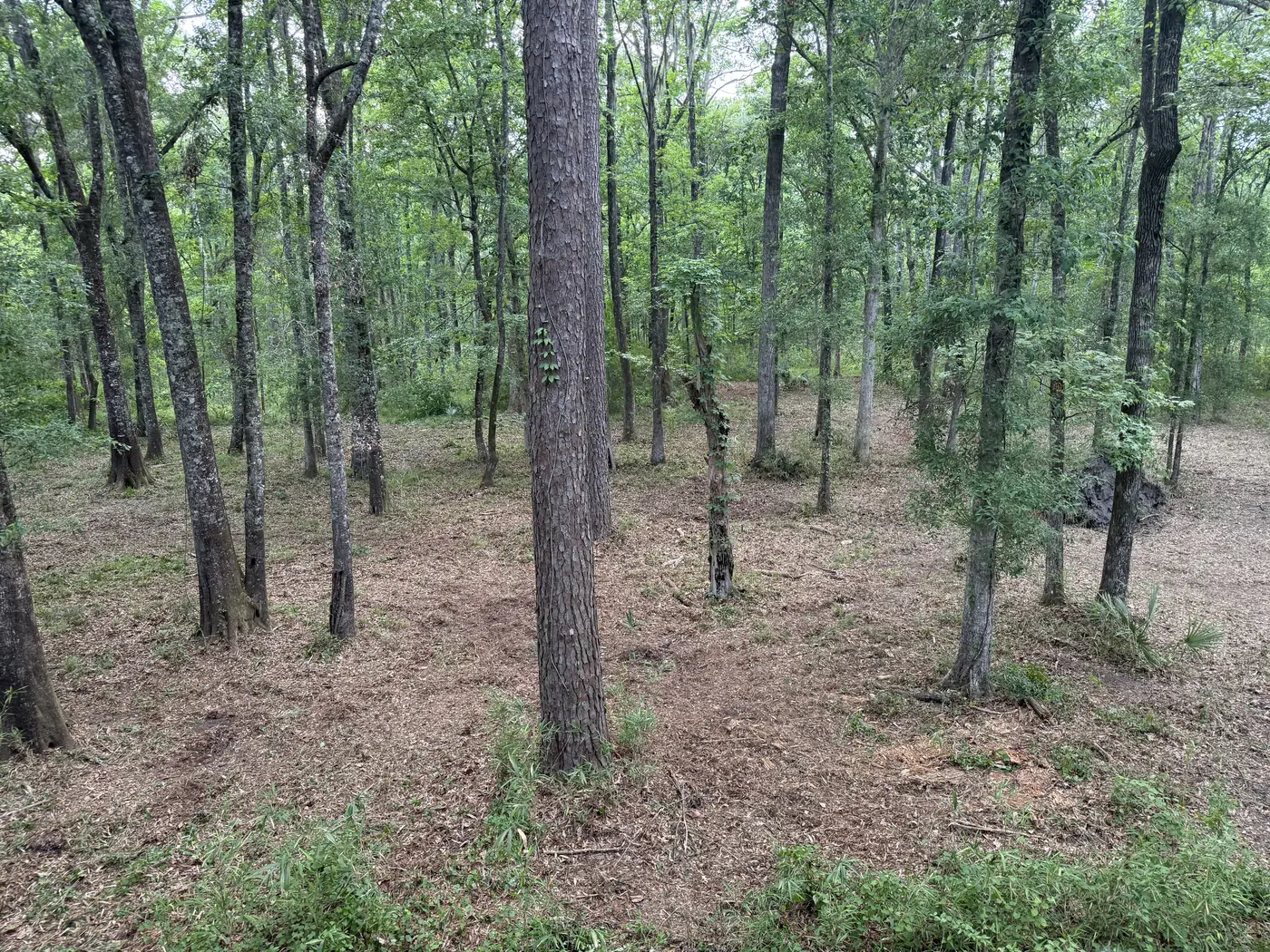
Row-friendly mulching resets that without touching the crop trees. The machine works the middles and edges, grinds the competition to chips, and leaves the stand walkable and huntable between harvests. Where a forester manages the timber plan, we work inside it, and the mulched floor makes every later pass, ours or yours, faster and cheaper.
Cottageville has been a small farming town since it incorporated in 1937, and today it doubles as acreage country for people working in Walterboro, Summerville and Charleston. The properties follow a familiar shape: a kept front, a mowed yard, and back ground toward Round O, Rice Patch or Cross Swamp that quietly went to brush over a few busy years.
Bringing that ground back is a two-machine job, and we bring both. The mulcher does the brush clearing on the woody sections and edges, then bush hogging takes over the reclaimed open ground on a yearly rotation so it never slips again. Each zone gets priced as what it is, in one written estimate, and the reclaim only has to happen once.
East and north of town the county runs down to the Edisto, the blackwater river that draws paddlers to Colleton State Park at Canadys and the 23-mile trail down to Givhans Ferry. The same bottoms make serious deer country, and the tracts between Cottageville and the river hunt as well as any ground in the county when the infrastructure is right.
We build that infrastructure the way we build it at home on our family's 327 acres in the ACE Basin: lanes cut for wind and access, plots drilled where sun and soil cooperate, understory opened around stands. River-bottom edges get worked in the dry months and wet lines get respected, because rutted bottomland helps nobody's season.
Free, no-obligation estimates across Cottageville and Colleton County.
(843) 696-7162From the first walk of the property to the final one, here is exactly how it goes.
We come out, walk the ground with you, and look at what is actually growing: brush density, stem sizes, wet spots, and anything you want protected or kept.
You get a free written estimate with a real timeline. We tell you exactly what the machine will leave behind, down to the finish on the ground, so there are no surprises.
The equipment shows up when we said it would. We clear to your flags, work selectively around keeper trees, and grind everything else into a clean mulch layer.
We walk the finished ground together. A finish pass evens out the mulch bed, and the job is done when you say it looks right, not when we drive away.
What Cottageville landowners ask us about forestry mulching. Don't see yours? Give us a call.
What forestry mulching costs in the SC Lowcountry in 2026: per-acre and day-rate ranges, what density does to the number, and how to read quotes honestly.
Read more →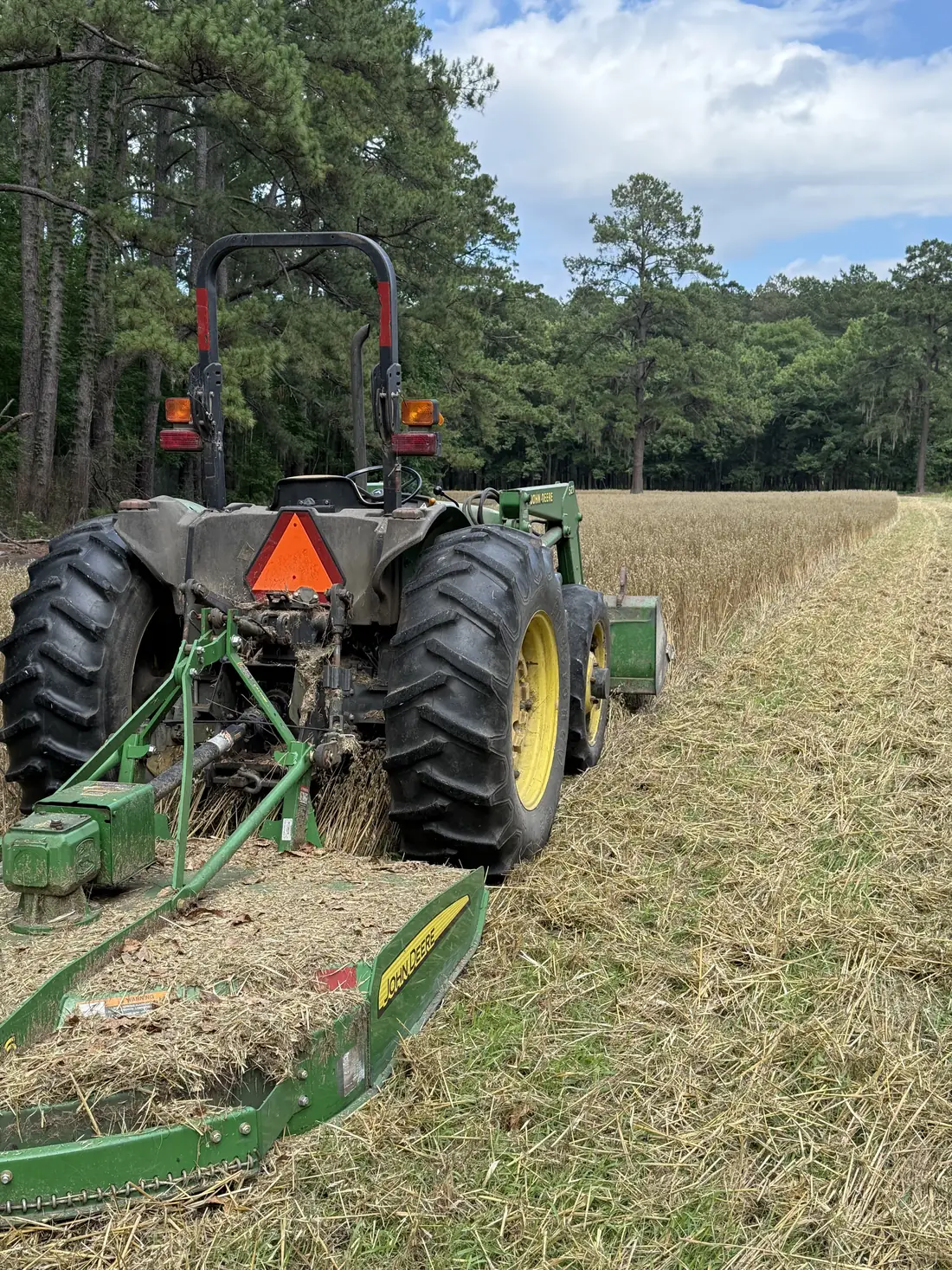
The honest line between bush hogging and mulching in the SC Lowcountry: stem size, cost, what each leaves behind, and why most tracts need both.
Read more →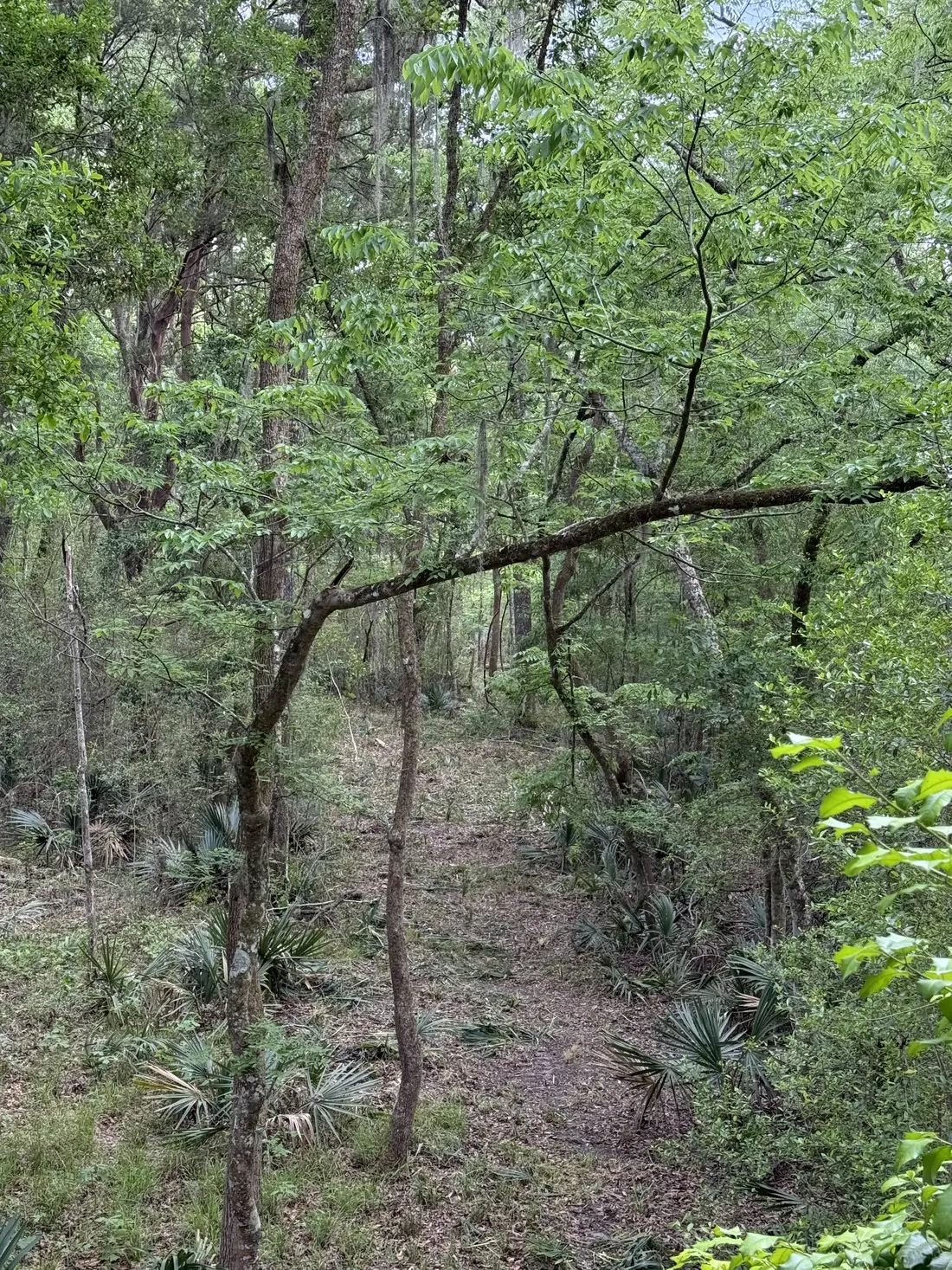
Real 2026 land clearing costs for the Charleston-to-Beaufort Lowcountry: per-acre ranges by density, what small lots really cost, and what moves the quote.
Read more →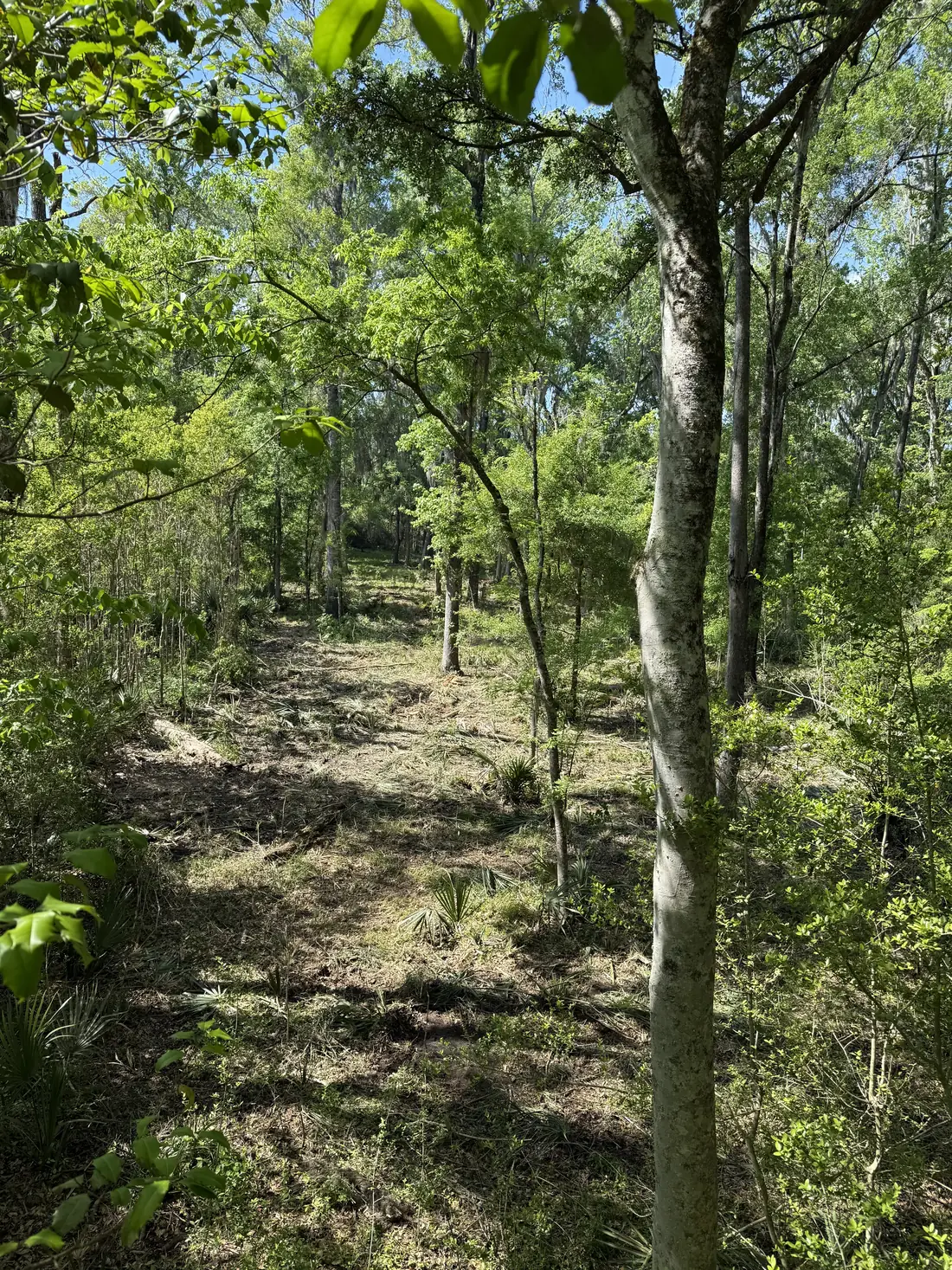
When land clearing needs a permit in the SC Lowcountry: the one-acre rule, the coastal half-mile trigger, the eight coastal counties, CZC review, and what is exempt.
Read more →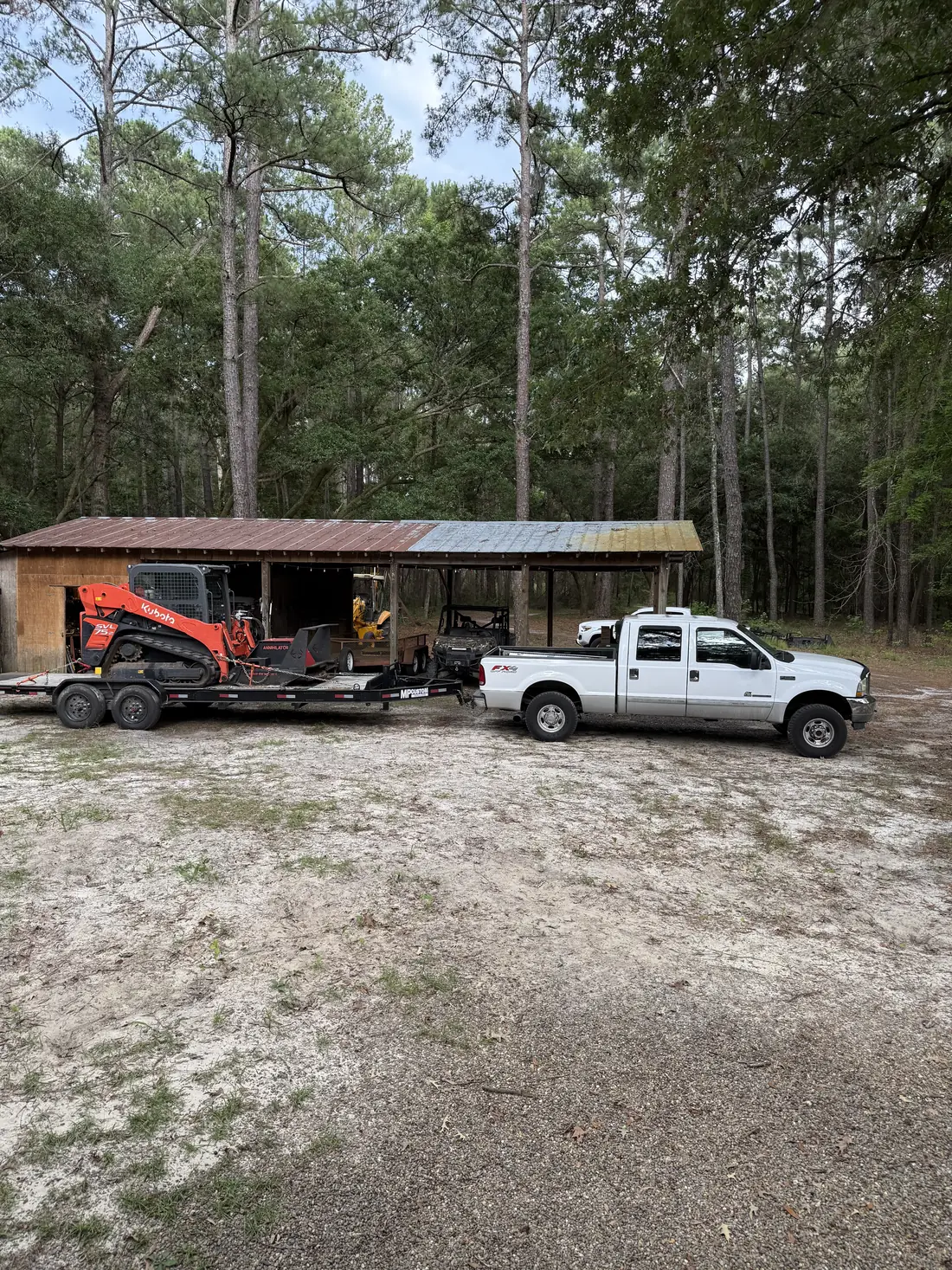
What clearing a residential lot costs around Charleston, Bluffton and the Lowcountry in 2026: job pricing, what density does, and clearing around live oaks.
Read more →Forestry mulching or bulldozer clearing? Cost, stumps, wet ground, erosion and the honest deciding factors for Lowcountry landowners, compared side by side.
Read more →Overgrown field, choked woods, fence row you cannot find anymore? Call or send the form and we will walk the property with you, talk through what the ground needs, and hand you a free written estimate.
Tell us about your ground and we will get right back to you.