Do you need a permit to clear land in the SC Lowcountry?
Often, and the trigger here is stricter than most states. South Carolina requires NPDES stormwater coverage at one acre of disturbance or within a larger development plan - and in the Coastal Zone, for any disturbance within a half mile of a coastal receiving water, regardless of size. All eight coastal counties, which is essentially the whole Lowcountry, also route projects through Coastal Zone Consistency review.
Permits are the least visible part of land clearing and the most expensive to skip, so here is the honest map, straight from the state’s published rules - and the reason coastal timelines reward planning ahead.
Who regulates clearing here?
| Layer | Trigger | What it requires |
|---|---|---|
| SCDES stormwater (NPDES CGP) | 1+ acre disturbed; OR part of a larger common plan; OR any disturbance within ½ mile of a coastal receiving water in the Coastal Zone | Notice of Intent, erosion-control plan (SWPPP); weekly qualified inspections at 2+ acres |
| SCDES under 1 acre | Small standalone sites | Notification form; state issues an exemption letter, or automatic coverage for qualifying small coastal sites |
| Coastal Zone Consistency (OCRM) | Projects in the 8 coastal counties: Beaufort, Berkeley, Charleston, Colleton, Dorchester, Georgetown, Horry, Jasper | CZC certification before the stormwater permit issues |
| Critical areas | Tidelands, coastal waters, and related protected ground | Direct permit required for any alteration |
| Local MS4 programs | Inside municipal stormwater jurisdictions | Application routes through the local program first |
The half-mile coastal trigger is the one that surprises landowners, because it removes the small-site comfort blanket: near a coastal receiving water, size does not exempt you. The saving grace is that qualifying small sites get streamlined or automatic coverage rather than the full permit process - but the notification still has to happen.
What does the process actually look like?
For a typical project over the thresholds: an erosion-control plan gets prepared, a Notice of Intent goes to the state (or through the local stormwater program where one exists), coastal projects add the CZC certification, and coverage issues before dirt moves. The state’s own published timelines tell the planning story: roughly 8 calendar days to grant coverage after local approval for non-coastal projects, and 77 for coastal ones. On our ground, that means the permit conversation belongs at the start of a project, not the week the machine is booked.
Under an acre and standalone, the path is light: a notification form, and the state answers with an exemption letter saying you are clear to work. It is paperwork measured in days, and it buys an answer in writing.
Where does mulching sit in all this?
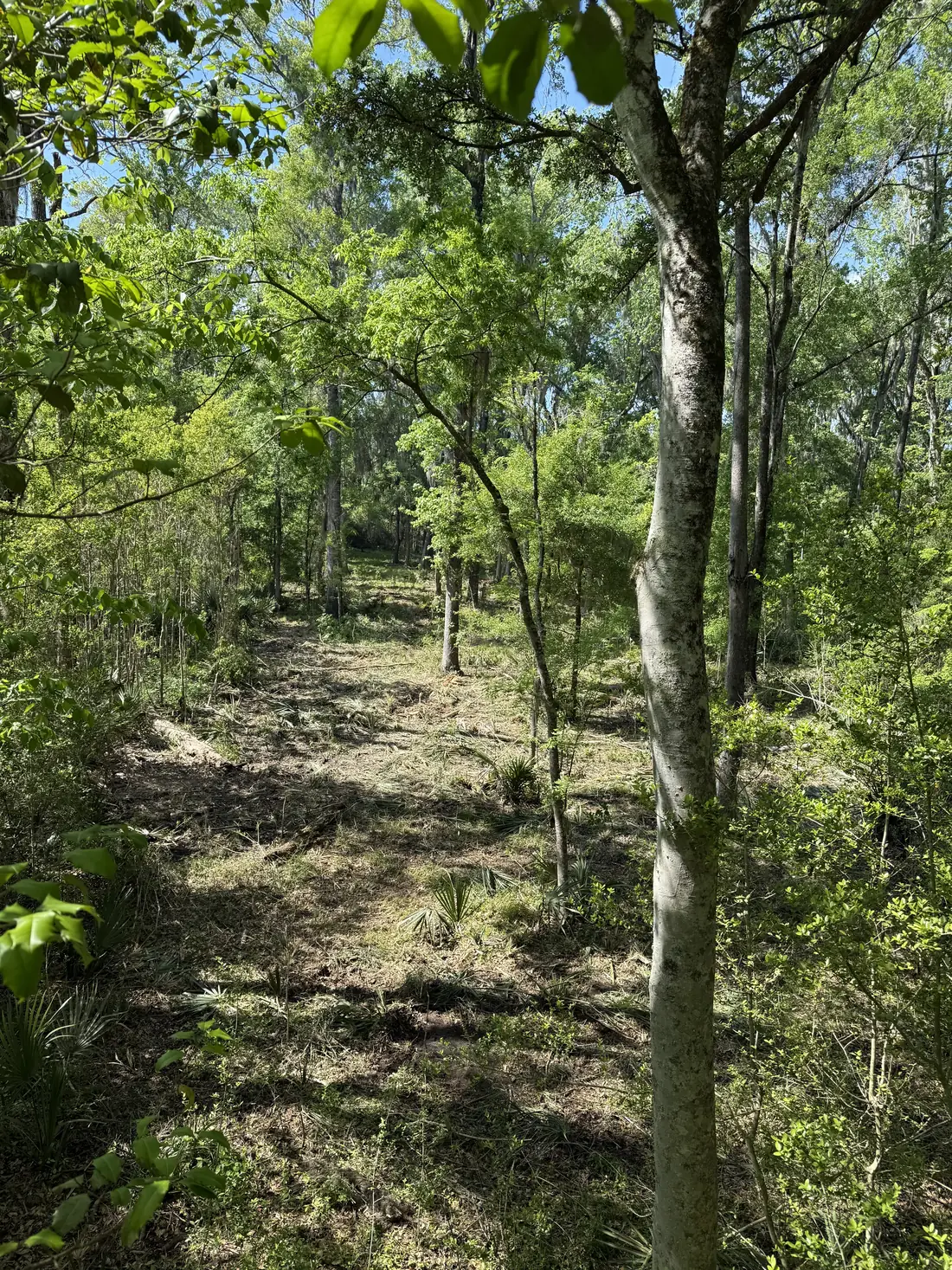
In the honest middle, decided by purpose. Routine land maintenance - bush hogging, keeping fields and lanes open, managing your own ground - is not construction, and forestry work carries its own exemptions. Forestry mulching an overgrown tract to use and enjoy it sits in that maintenance world. The same mulcher opening a lot as step one of a build is doing pre-construction land disturbance, and the acreage and coastal triggers start counting toward permit territory.
Water is the other line that purpose cannot move. Wet bottoms, marsh edge, and anything tidally influenced get flagged on our walk-throughs and left on the right side of the machine, because critical areas and wetlands run on their own permits entirely - federal ones included. The Basin taught everybody who works it the same lesson: the uplands are generous, and the wet lines are not suggestions.
How this works when you hire us
We read the parcel honestly at the walk-through: the acreage math, the water, the distance to anything coastal, and whether your project’s purpose puts it in maintenance or construction territory. Erosion-sense practices - staying off saturated ground, keeping soil out of the drains and creeks - are how we work regardless of paperwork. And when a project genuinely needs the permit conversation, we say so before you spend, because a state exemption letter costs days and an enforcement case costs seasons.
Planning a clearing project anywhere from Charleston to the Savannah line? Call or text (843) 696-7162 or start at the contact page - the walk-through is free, and so is the straight answer about what your parcel needs.