Land Clearing
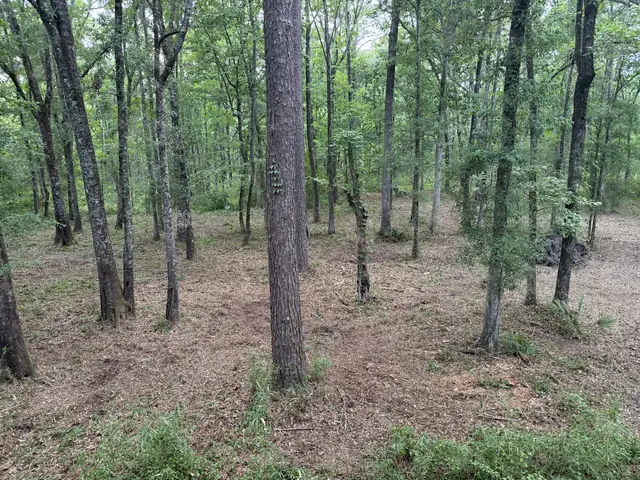
Whole parcels and problem acres taken from choked to open. Vegetation is ground in place — no burn piles, no debris trucks, no scraped-bare dirt.
Learn More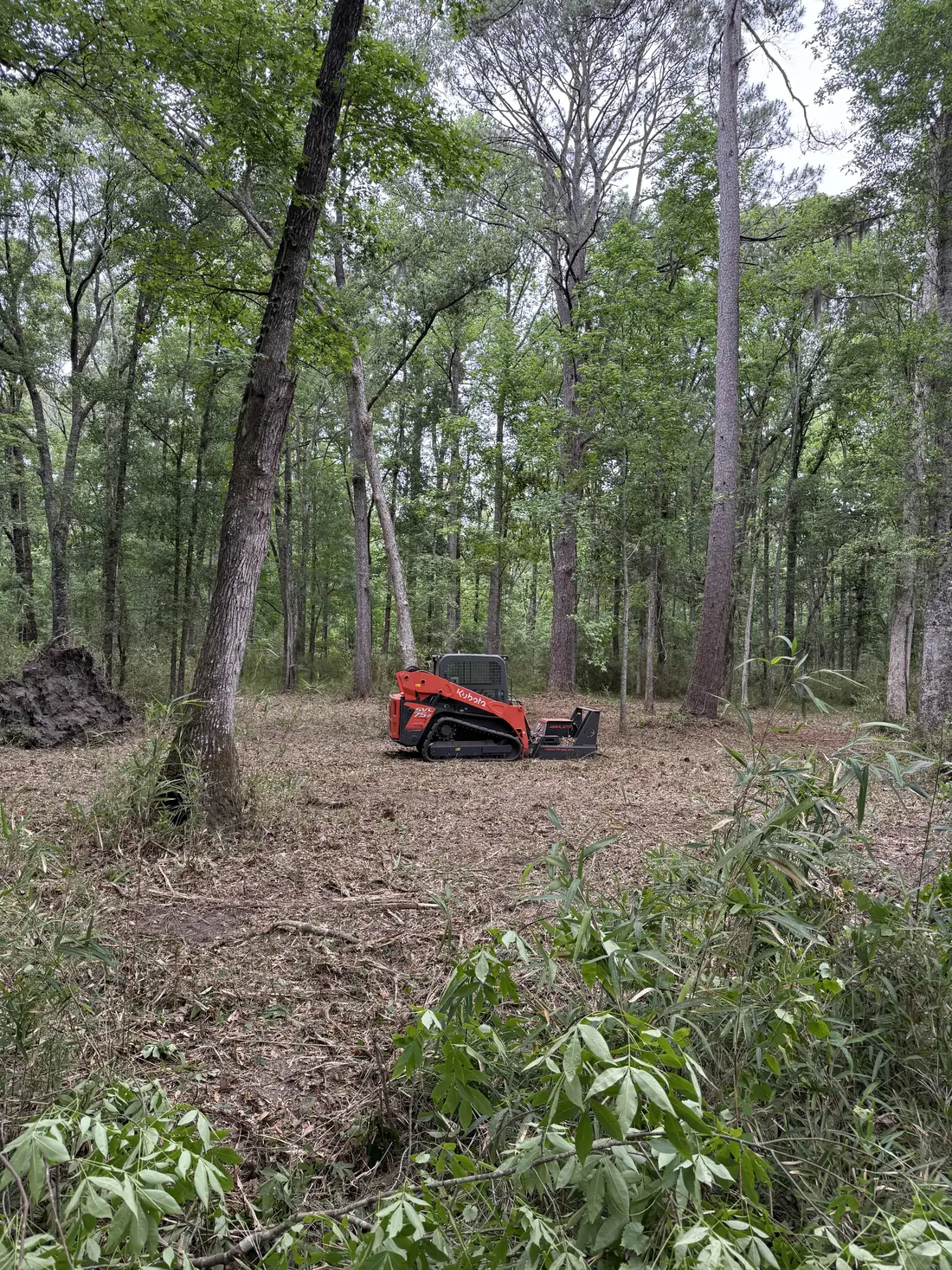
Forestry mulching is the fastest way to take a piece of overgrown Lowcountry ground back from the brush. Around Charleston, Summerville, Walterboro and across the South Carolina Lowcountry, our tracked mulcher grinds standing vegetation — wax myrtle, yaupon, sweetgum whips, smilax tangles, privet, and small volunteer trees — into a layer of wood chips right where it stood. There is nothing to burn, nothing to haul away, and no bare dirt left behind to wash out in the next afternoon thunderstorm.
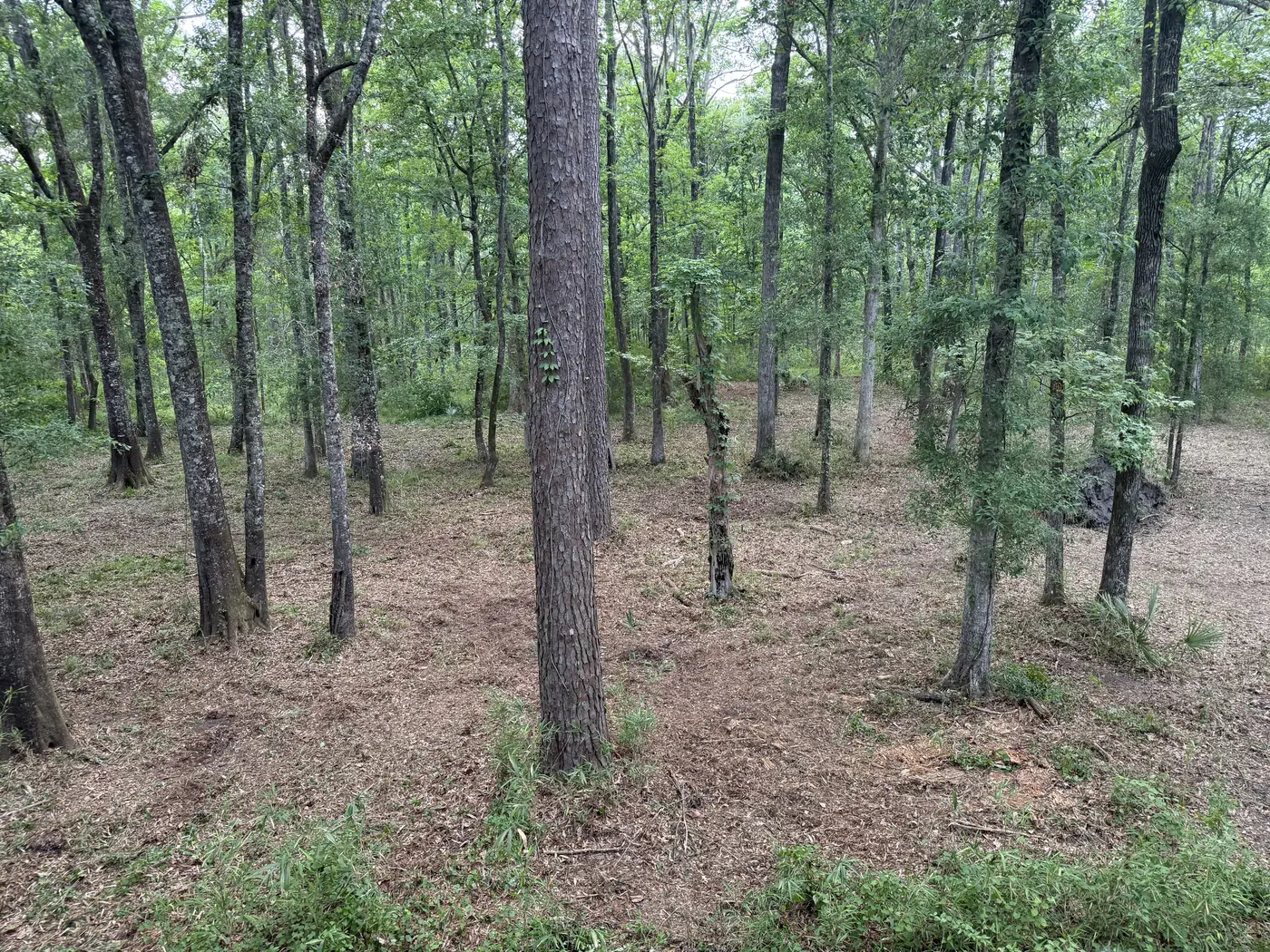
It is also selective work, not a bulldozer wiping a parcel flat. We work around the live oaks and pines you want to keep, open up the ground underneath, and leave a park-like finish you can actually walk, mow, or hunt. If your project is bigger than brush — a whole parcel or a building site — see our land clearing page, and for open fields that just need knocked down, brush hogging is usually the cheaper tool.
Tell us about your ground and we will get right back to you.
A lot of people picture land clearing as bulldozers, burn piles, and a mud lot. Mulching works differently. The machine chews standing growth into chips as it moves, so the root mat and topsoil stay put. What you get at the end is a bed of mulch a few inches deep that smothers regrowth for a season or two, breaks down into the sandy soil, and keeps your ground covered while grass comes back in.
Stumps get ground down close to grade — low enough to mow over and forget. That is the honest difference between mulching and excavation: the roots stay in the ground. For most uses — pasture, trails, views, hunting land — that is exactly what you want. If you are prepping a spot where stumps truly have to come out, we will say so up front and point you toward the right equipment for that piece of the job.
Around Charleston and the ACE Basin the usual suspects are wax myrtle, yaupon, Chinese privet, sweetgum and water oak regrowth, blackberry cane, and smilax vine woven through all of it. Leave a field or a woods edge alone for five years in this climate and that mix turns usable ground into a wall. It is miserable work by hand and exactly what a drum mulcher is built to eat.
The machine also handles the volunteer trees that come with neglect: sweetgum, cherry laurel, chinaberry, and loblolly saplings up to about six inches through. Bigger stems slow the work down but are often still doable selectively. And on ground that has sat since the last big storm pushed limbs and leaners into the underbrush, we can grind the tangle out so you can finally see what you are working with. For a fence line, a yard edge, or one overgrown corner, see our brush clearing service.
The classic calls we get: a field the bush hog cannot touch anymore, a wooded edge creeping into the yard every year, a pasture going back to thicket, a fence line swallowed by growth, and hunting ground that needs lanes and trails cut through it. One machine handles all of it in a visit.
Mulching also shines where burning is a headache and hauling is expensive. There are no debris piles waiting on a burn day, no dumpsters, and no truckloads leaving the property. The material stays on site as ground cover, which is why mulched jobs usually come in cheaper and faster than conventional clear-and-haul work on the same ground.
Free, no-obligation estimates across the South Carolina Lowcountry.
(843) 696-7162From the first walk of the property to the final one, here is exactly how it goes.
We come out, walk the ground with you, and look at what is actually growing: brush density, stem sizes, wet spots, and anything you want protected or kept.
You get a free written estimate with a real timeline. We tell you exactly what the machine will leave behind, down to the finish on the ground, so there are no surprises.
The equipment shows up when we said it would. We clear to your flags, work selectively around keeper trees, and grind everything else into a clean mulch layer.
We walk the finished ground together. A finish pass evens out the mulch bed, and the job is done when you say it looks right, not when we drive away.
Common questions about forestry mulching across the South Carolina Lowcountry. Don't see yours? Give us a call — we're happy to help.
The towns that call us most for this work have their own pages:
Whole parcels and problem acres taken from choked to open. Vegetation is ground in place — no burn piles, no debris trucks, no scraped-bare dirt.
Learn More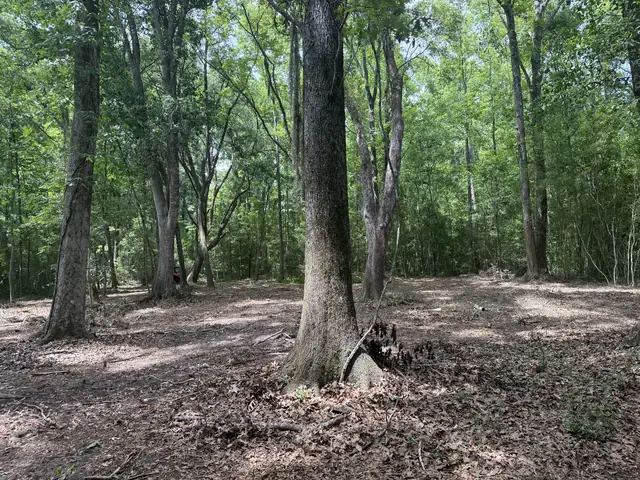
The brush layer under your oaks and pines — yaupon, privet, smilax, palmetto scrub — ground away so the woods open up park-like and walkable.
Learn More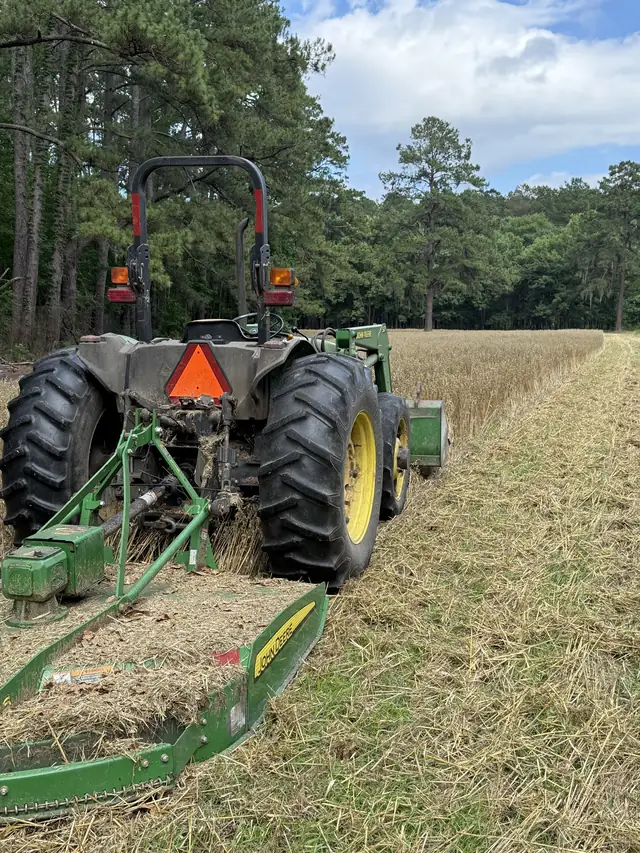
Tractor-and-rotary-cutter mowing for overgrown fields, pastures, and open acreage — the fast, economical fix when growth is heavy but still mowable.
Learn More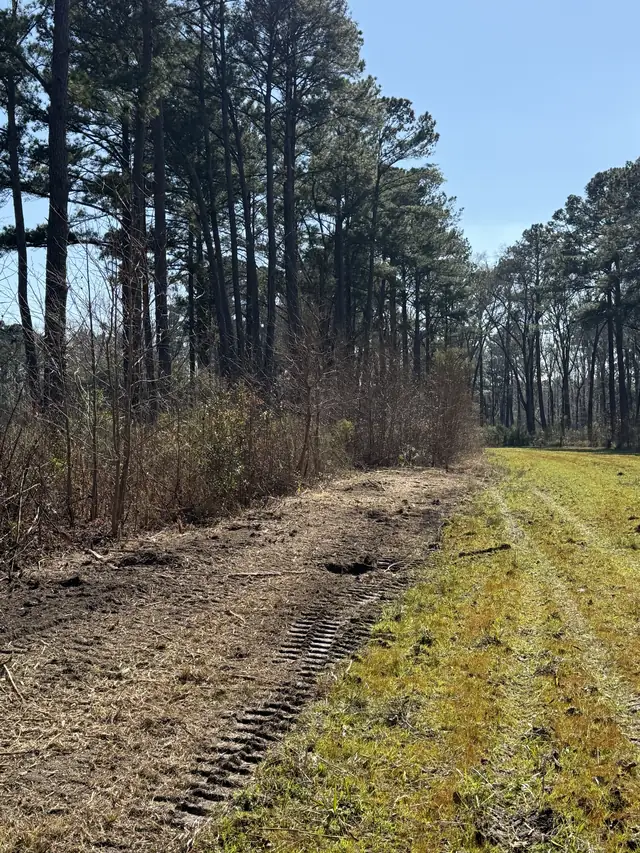
Overgrown lots and future homesites opened up so you can walk them, plan them, and show them — cleared selectively, finished clean.
Learn More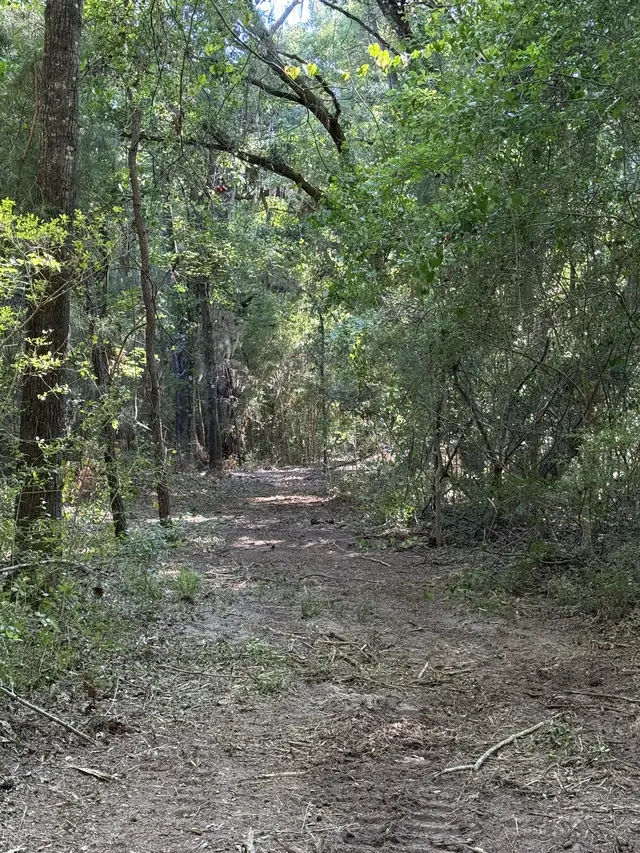
Walking trails, side-by-side lanes, camera lines, and shooting lanes cut through woods and brush — mulched clean so they stay open.
Learn More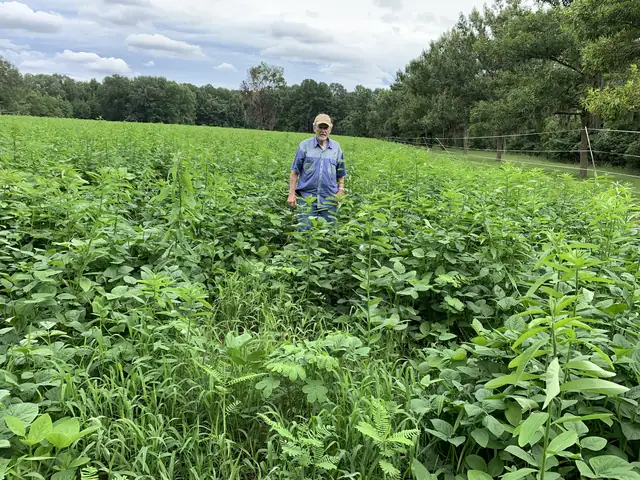
Ground cleared, prepped, and drilled into hunting food plots — by a family that plants and hunts its own plots in the ACE Basin every year.
Learn MoreWhat forestry mulching costs in the SC Lowcountry in 2026: per-acre and day-rate ranges, what density does to the number, and how to read quotes honestly.
Read more →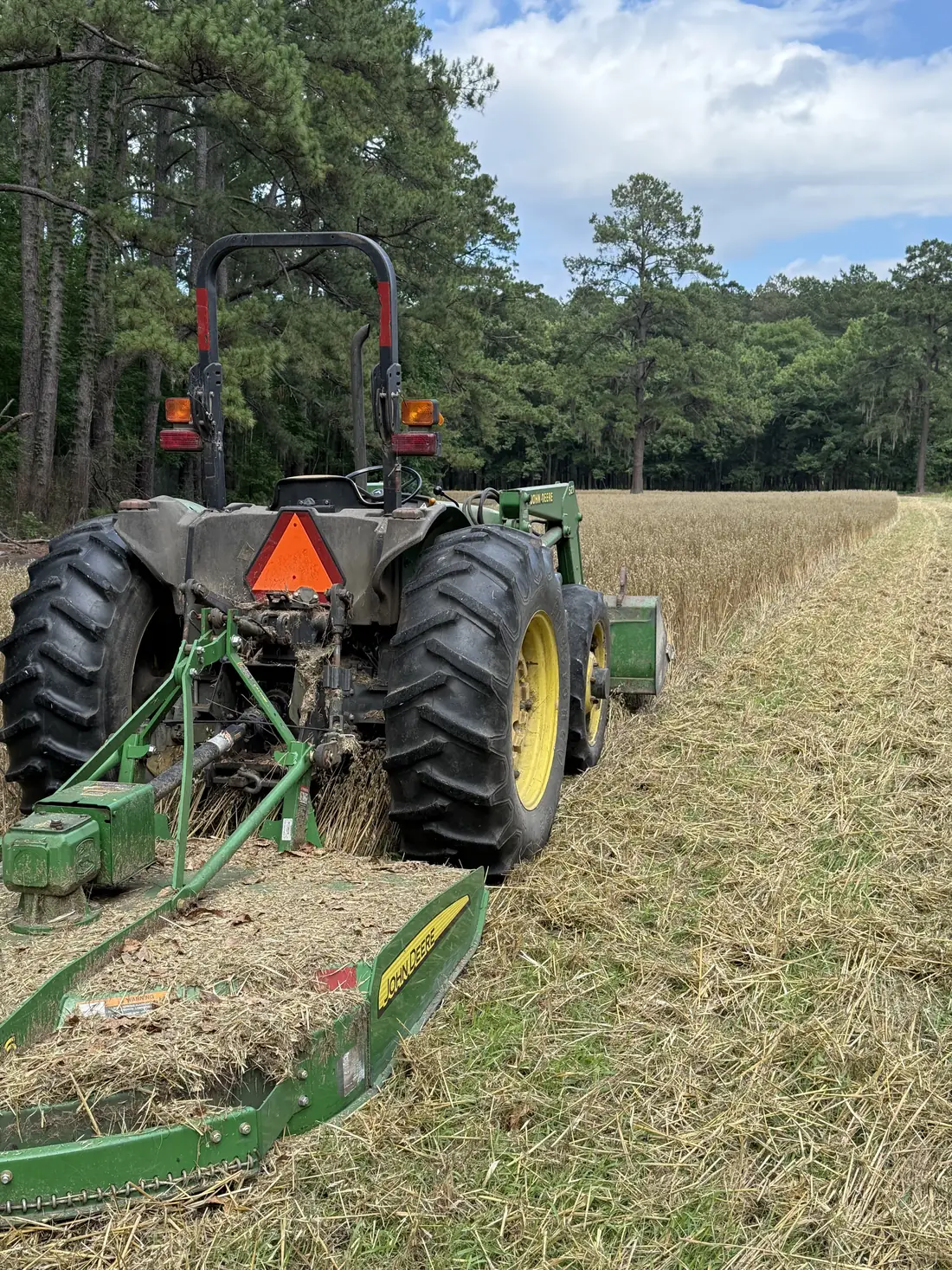
The honest line between bush hogging and mulching in the SC Lowcountry: stem size, cost, what each leaves behind, and why most tracts need both.
Read more →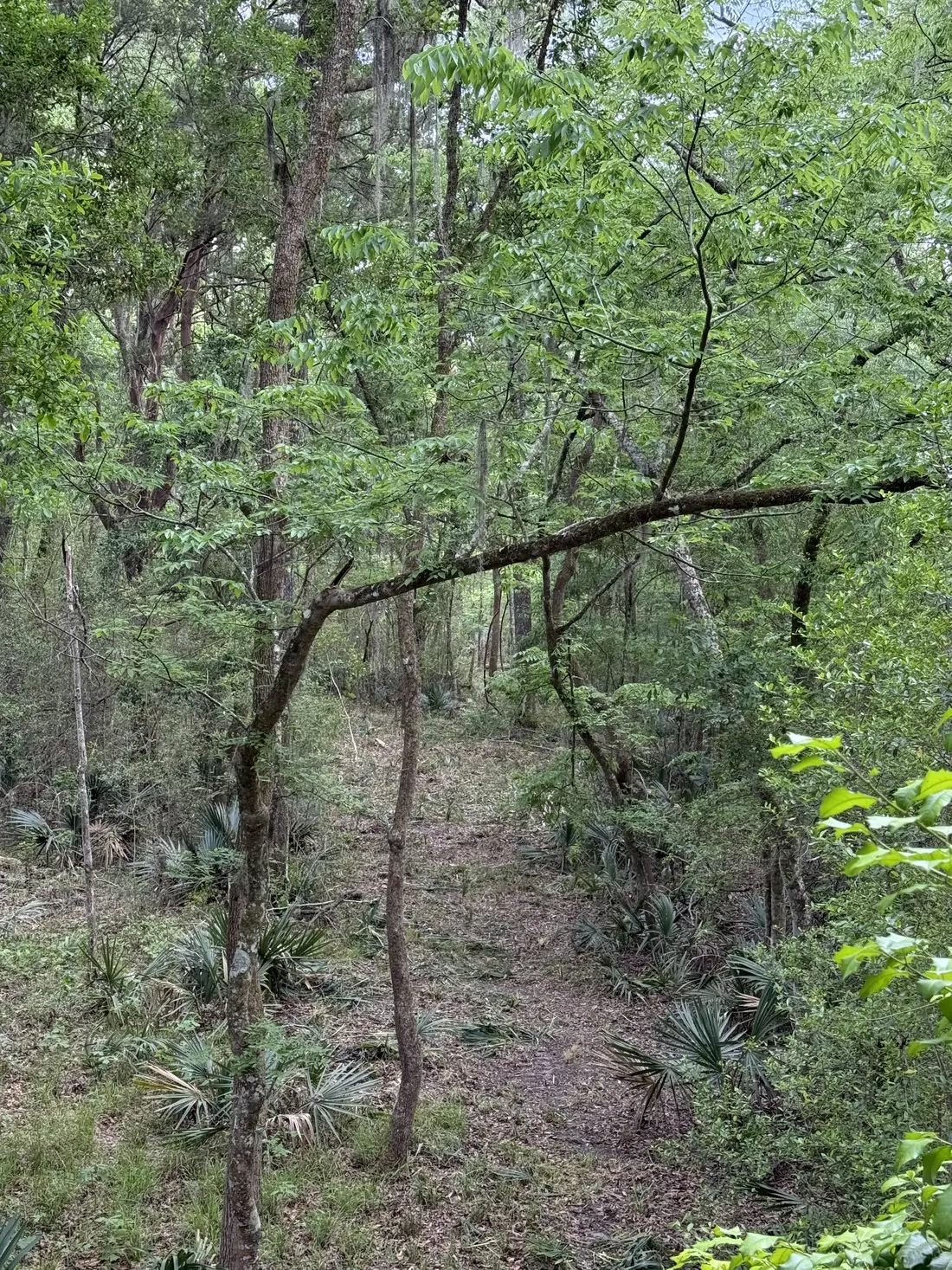
Real 2026 land clearing costs for the Charleston-to-Beaufort Lowcountry: per-acre ranges by density, what small lots really cost, and what moves the quote.
Read more →A father-and-son outfit out of Charleston. The people quoting your ground are the people running the machines on it, not a salesman or a call center.
Brush and small trees grind into a mulch layer right where they stood. No burn piles waiting on weather, no dumpsters, no debris trucks down your drive.
We walk the property, tell you exactly what the mulcher will leave behind, and put the price and timeline in writing. The number holds unless the scope changes.
Our family manages 327 acres in the ACE Basin — trails, plots, and clearing we cut ourselves. The advice you get is what we do with our own money.
Overgrown field, choked woods, fence row you cannot find anymore? Call or send the form and we will walk the property with you, talk through what the ground needs, and hand you a free written estimate.
Tell us about your ground and we will get right back to you.