Hollywood, SC
Forestry mulching in Hollywood has to respect what Hollywood is built on. Soil scientists literally named this ground: the Yonges series, a poorly drained loam found across the lower Coastal Plain, takes its official type location from a spot on Highway 162 one mile east of the SC 165 crossing, right in town. The USDA description is blunt about it. Water sits within ten inches of the surface for about six months of most years. On dirt like that, how a parcel gets cleared matters as much as whether it gets cleared, because equipment that tears the surface leaves ruts that hold water for years.
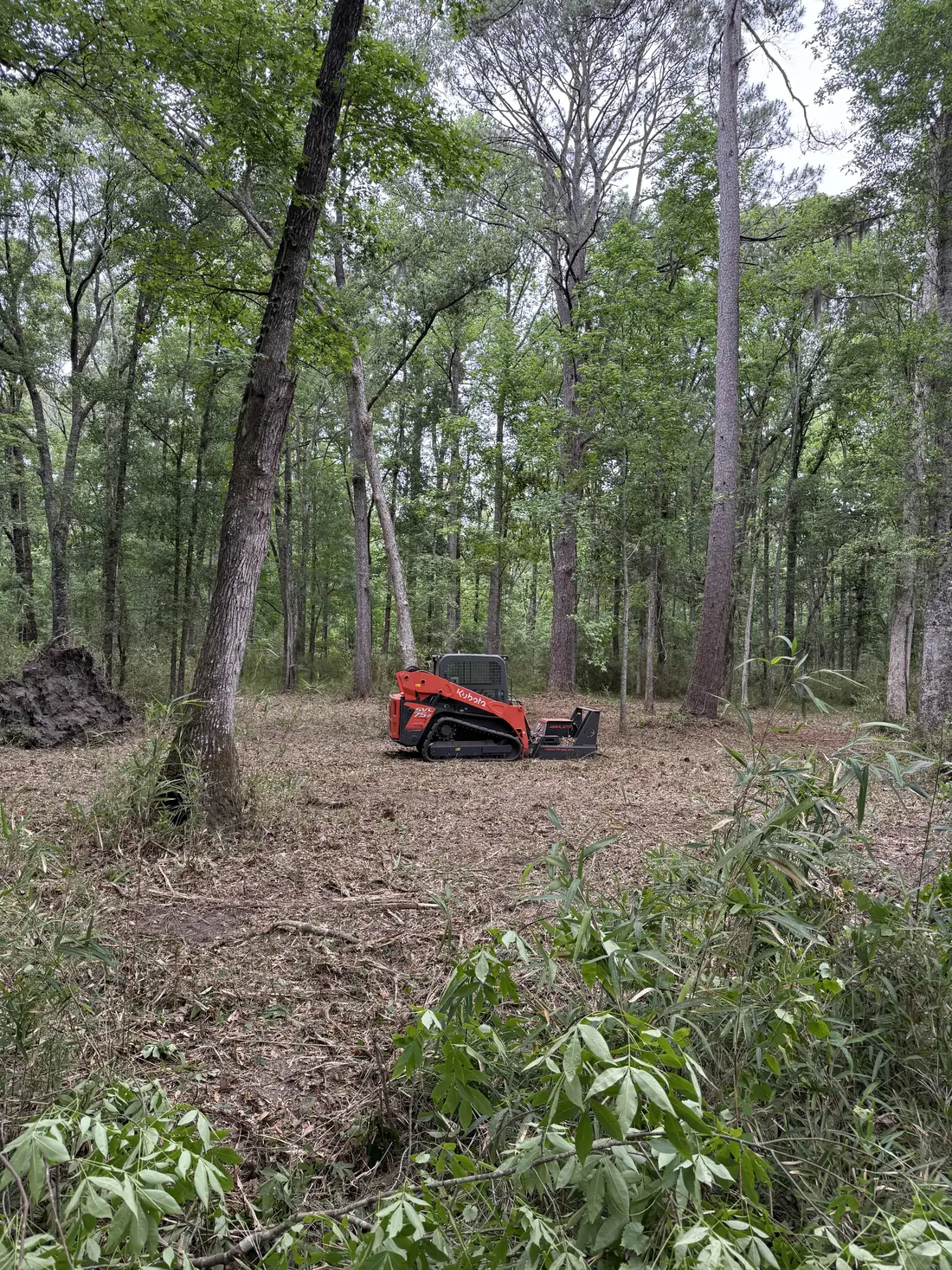
A tracked mulcher is the machine that fits. It spreads its weight, grinds brush where it stands, and leaves the root mat holding the soil under a chip layer instead of opening bare mud two feet above the water table. We run that machine across the whole 162 corridor, from Meggett to Yonges Island to the Toogoodoo, doing the brush clearing this ground constantly needs. The method is covered on our forestry mulching service page, the rest of what we do here lives on the Hollywood land clearing page, and the crew behind both is the ACE Basin Forestry family. Estimates are free and written.
Tell us about your ground and we will get right back to you.
Hollywood ground is nearly level, five to twenty-five feet above sea level, and slow to shed water. That is the USDA's own description of the soil named here, and every landowner in town knows the practical version: the back acre that stays damp until May, the low corner that never firms up. Wheeled equipment and dozer work punish ground like this. Tracks and a mulching head do not.
Grinding also solves the runoff problem scraping creates. A scraped parcel on slow-draining loam sheds mud to the ditch and the creek with every storm. A mulched parcel keeps its root mat and gains a chip blanket, so the surface stays put while it greens back. On genuinely saturated ground we schedule for the dry window instead of cutting ruts to prove a point, and we say so at the estimate.
Hollywood grew up as a rail stop and crossroads village, incorporated in 1949 with about five hundred people where Highway 162 crossed 165. By 2000 its limits stretched some sixteen miles along 162 and covered thirty-three square miles, which makes it one of the most spread-out small towns in Charleston County: around five thousand people today, on parcels that still run to real acreage.
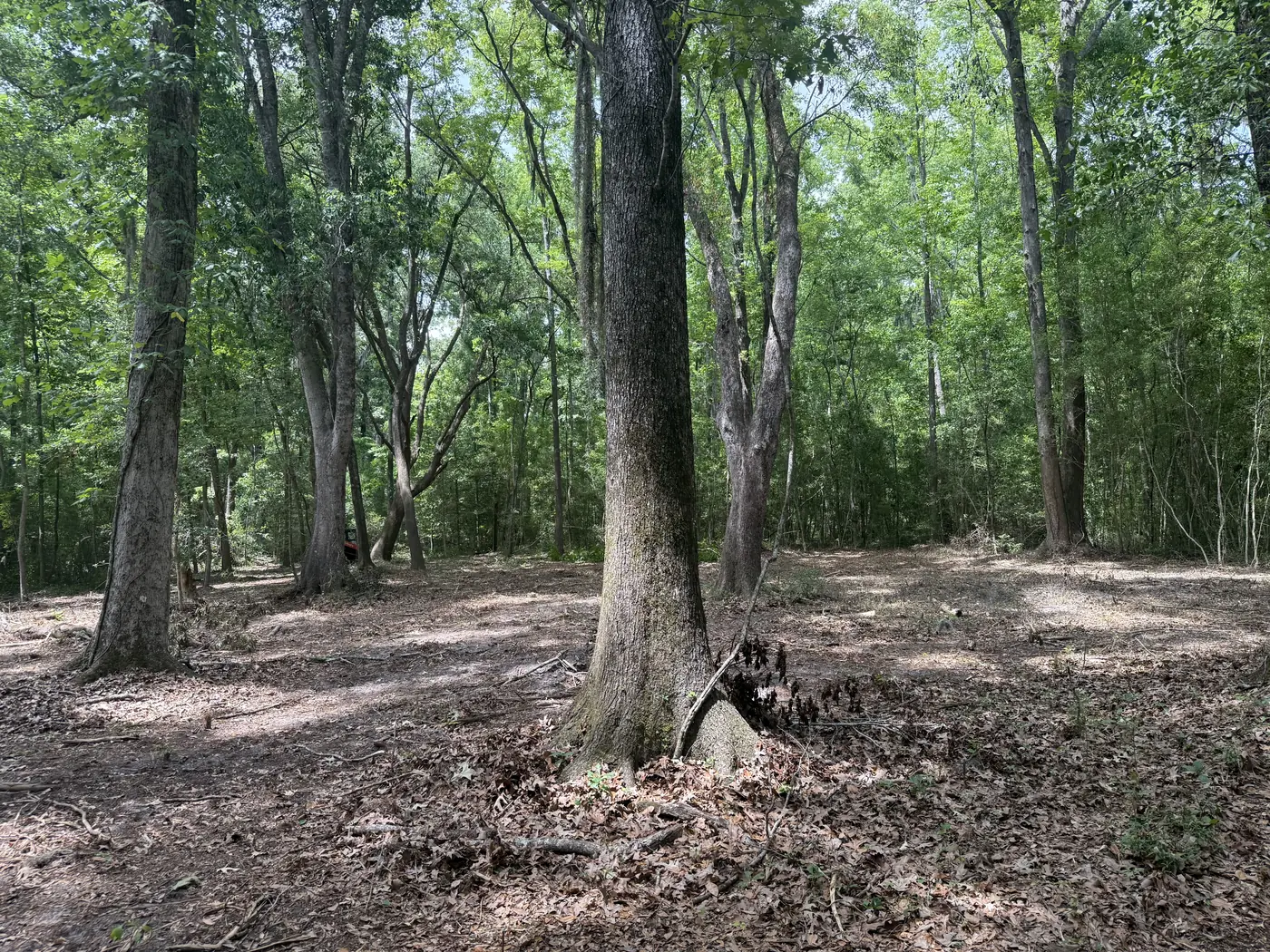
That geography is exactly where mulching earns its keep. Homes here sit against woods that close up fast, wax myrtle walls off the water views, and family land from Baptist Hill to White Point carries back acreage nobody has walked in years. The mulcher grinds the scrub and vine out from under the oaks, opens understory selectively, and leaves parcels looking managed rather than stripped.
Land along 162 has been worked, fought over and handed down for centuries. The Battle of Stono Ferry was fought here in June 1779, and part of that battlefield now sits under the golf course at Stono Ferry, with a preserved redoubt beside the twelfth fairway. Parcels with that kind of history deserve clearing that keeps their character: grand oaks standing, soil in place, the growth underneath ground away clean.
Water writes the other rule. Hollywood is coastal Charleston County, and land disturbance within a half mile of a coastal receiving water can carry permit requirements no matter the acreage, with tidal critical areas off limits entirely. Routine maintenance mulching generally sits outside construction permitting, and we flag anything on a parcel worth confirming first. The details are in our Lowcountry clearing permit guide.
Free, no-obligation estimates across Hollywood and Charleston County.
(843) 696-7162From the first walk of the property to the final one, here is exactly how it goes.
We come out, walk the ground with you, and look at what is actually growing: brush density, stem sizes, wet spots, and anything you want protected or kept.
You get a free written estimate with a real timeline. We tell you exactly what the machine will leave behind, down to the finish on the ground, so there are no surprises.
The equipment shows up when we said it would. We clear to your flags, work selectively around keeper trees, and grind everything else into a clean mulch layer.
We walk the finished ground together. A finish pass evens out the mulch bed, and the job is done when you say it looks right, not when we drive away.
What Hollywood landowners ask us about forestry mulching. Don't see yours? Give us a call.
What forestry mulching costs in the SC Lowcountry in 2026: per-acre and day-rate ranges, what density does to the number, and how to read quotes honestly.
Read more →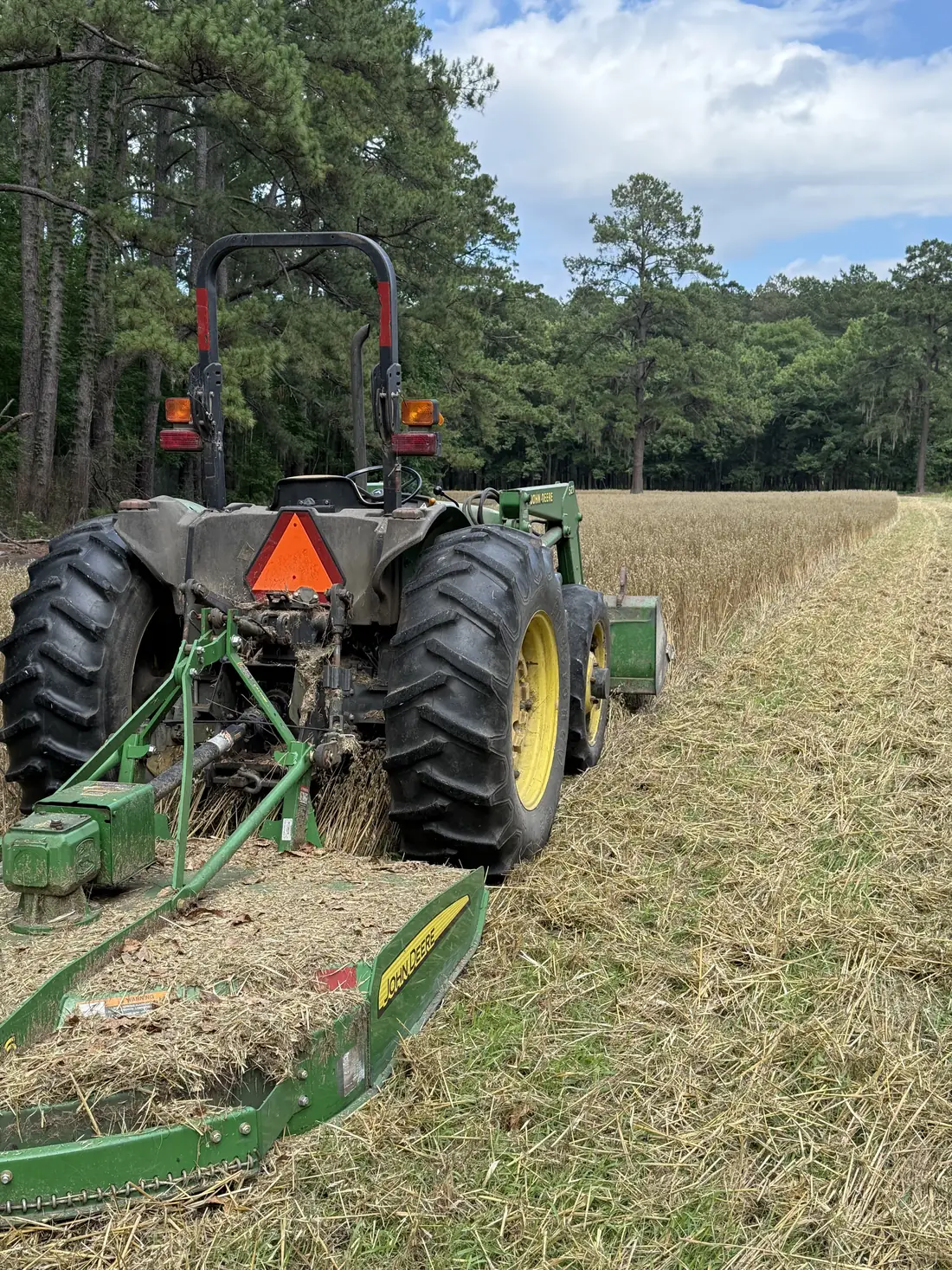
The honest line between bush hogging and mulching in the SC Lowcountry: stem size, cost, what each leaves behind, and why most tracts need both.
Read more →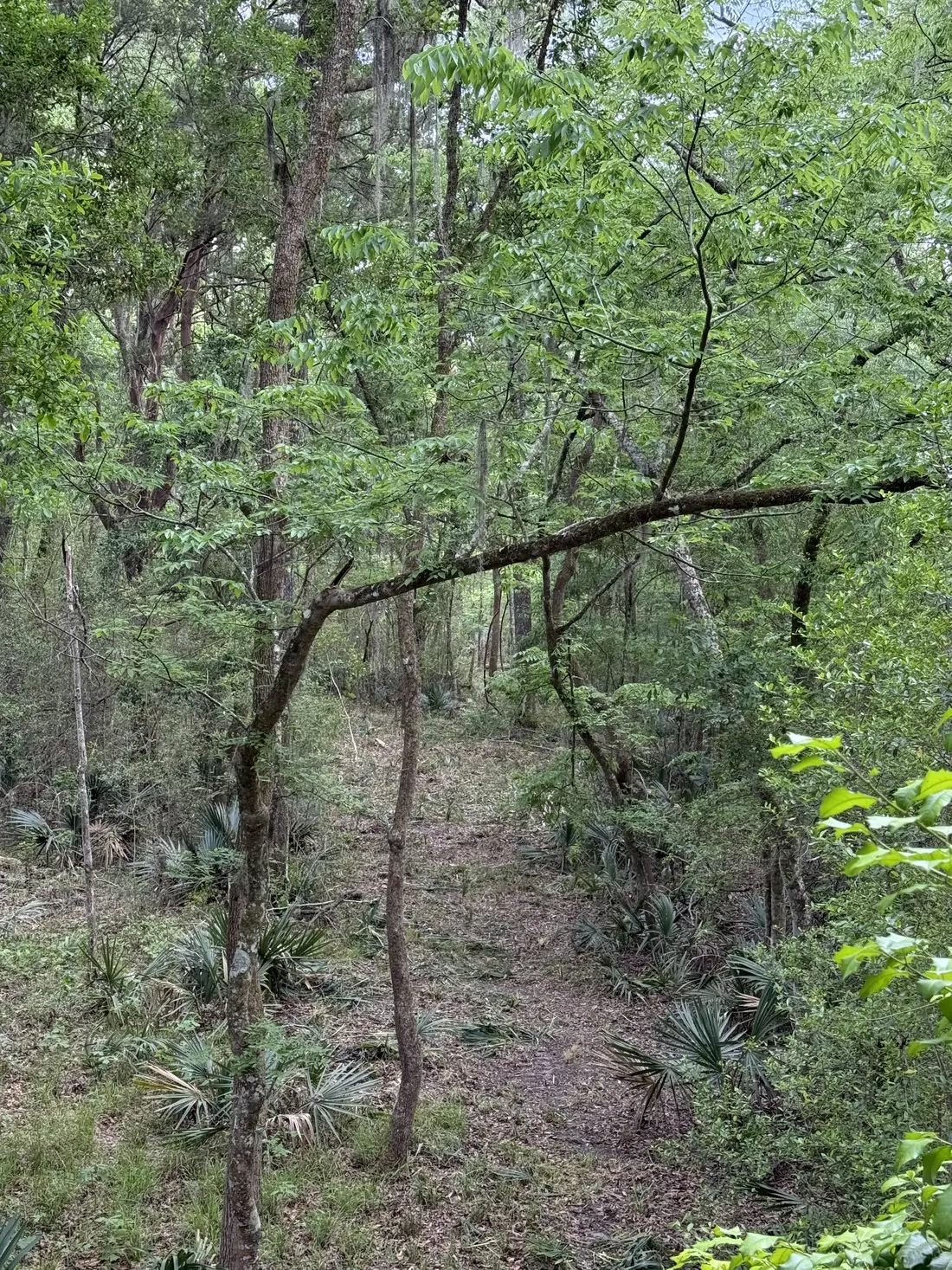
Real 2026 land clearing costs for the Charleston-to-Beaufort Lowcountry: per-acre ranges by density, what small lots really cost, and what moves the quote.
Read more →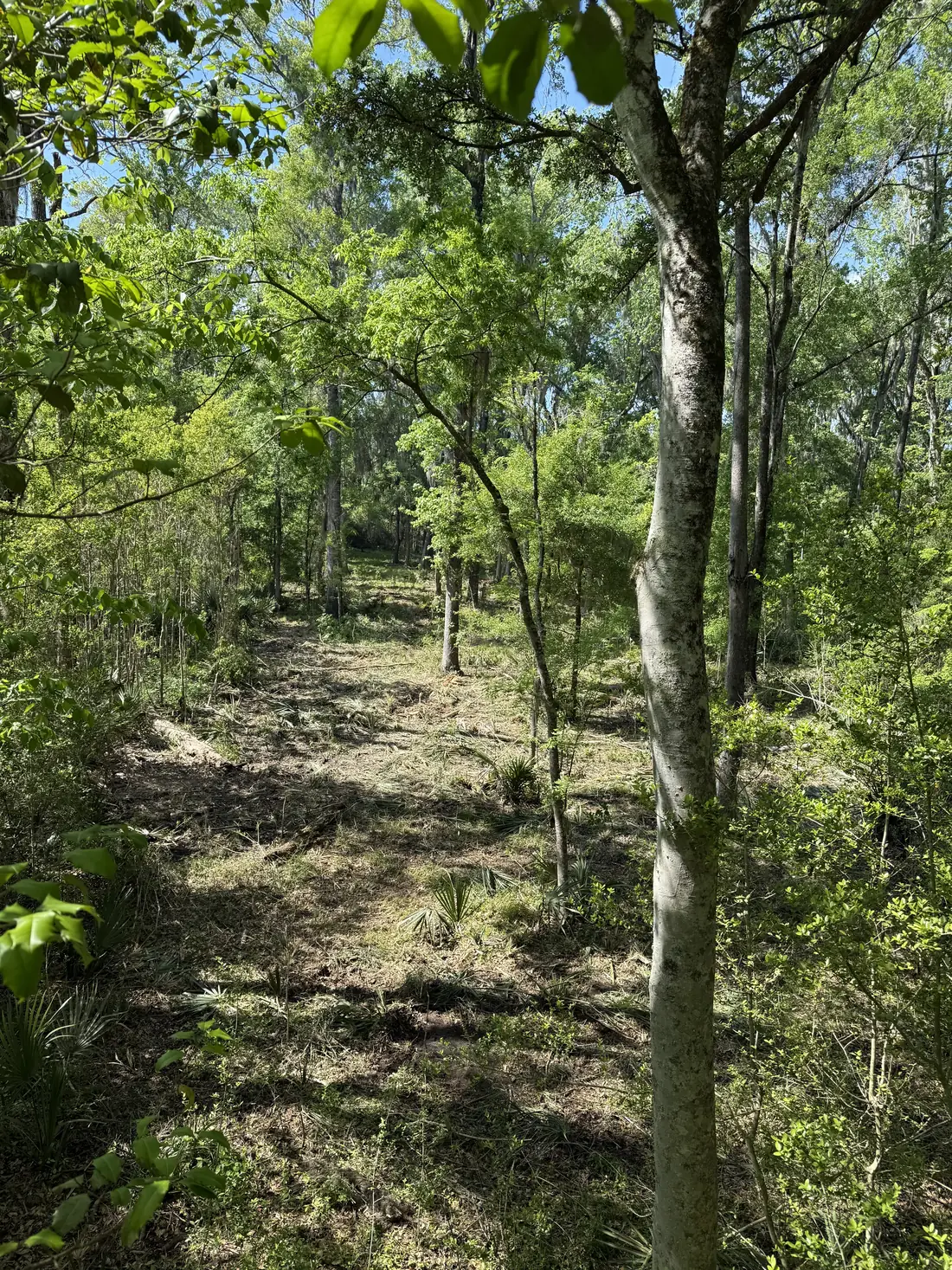
When land clearing needs a permit in the SC Lowcountry: the one-acre rule, the coastal half-mile trigger, the eight coastal counties, CZC review, and what is exempt.
Read more →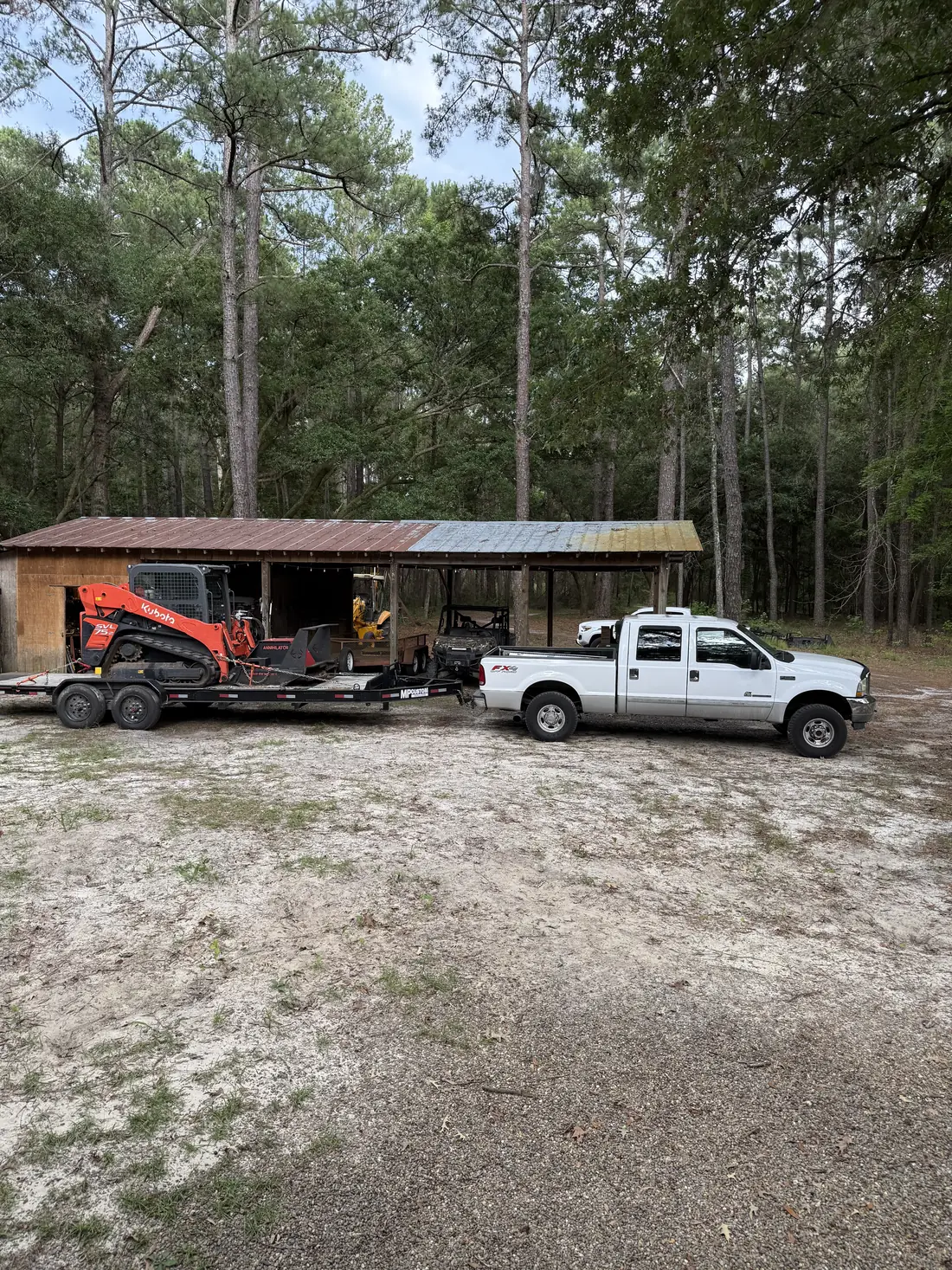
What clearing a residential lot costs around Charleston, Bluffton and the Lowcountry in 2026: job pricing, what density does, and clearing around live oaks.
Read more →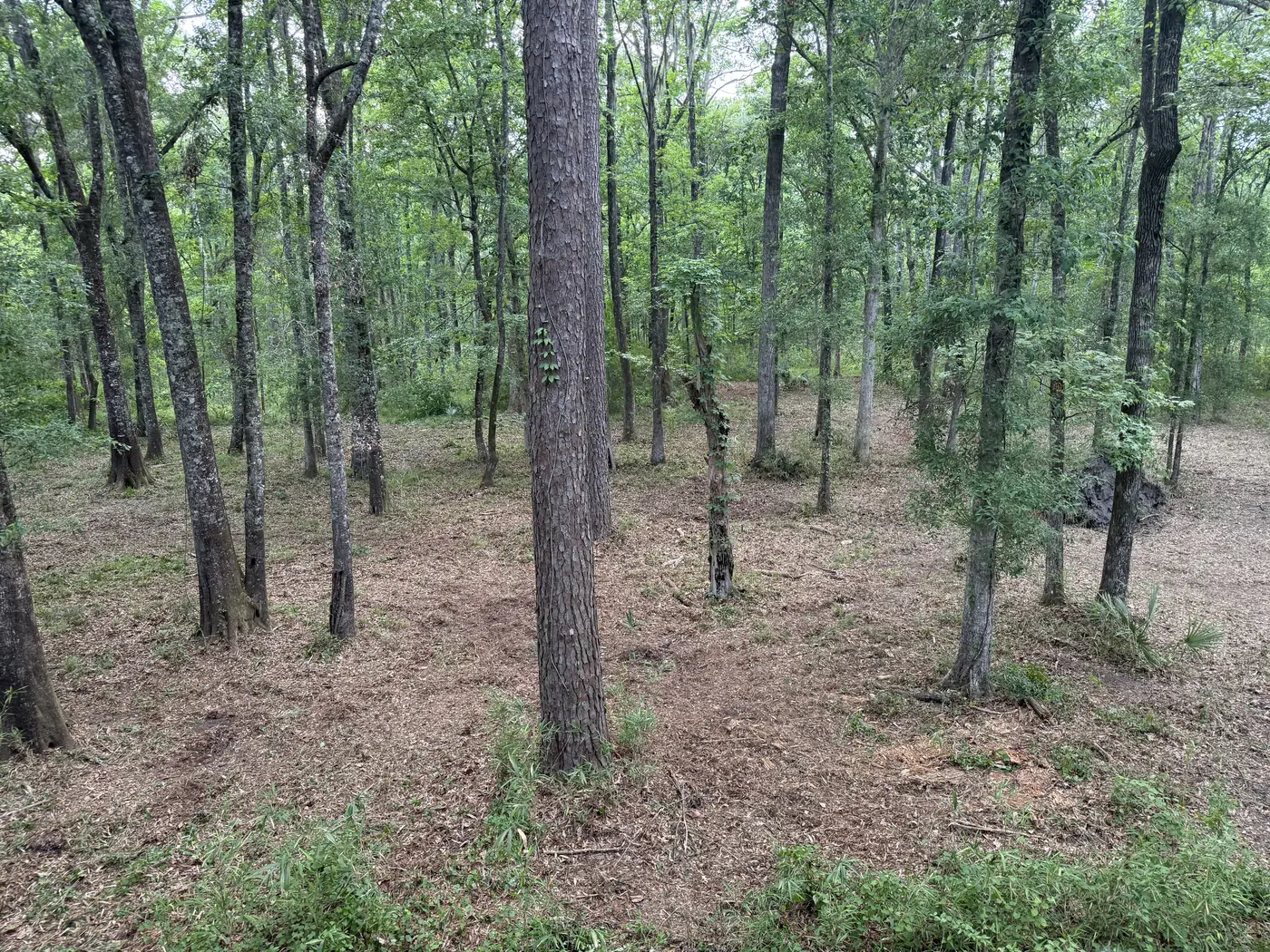
Forestry mulching or bulldozer clearing? Cost, stumps, wet ground, erosion and the honest deciding factors for Lowcountry landowners, compared side by side.
Read more →Overgrown field, choked woods, fence row you cannot find anymore? Call or send the form and we will walk the property with you, talk through what the ground needs, and hand you a free written estimate.
Tell us about your ground and we will get right back to you.