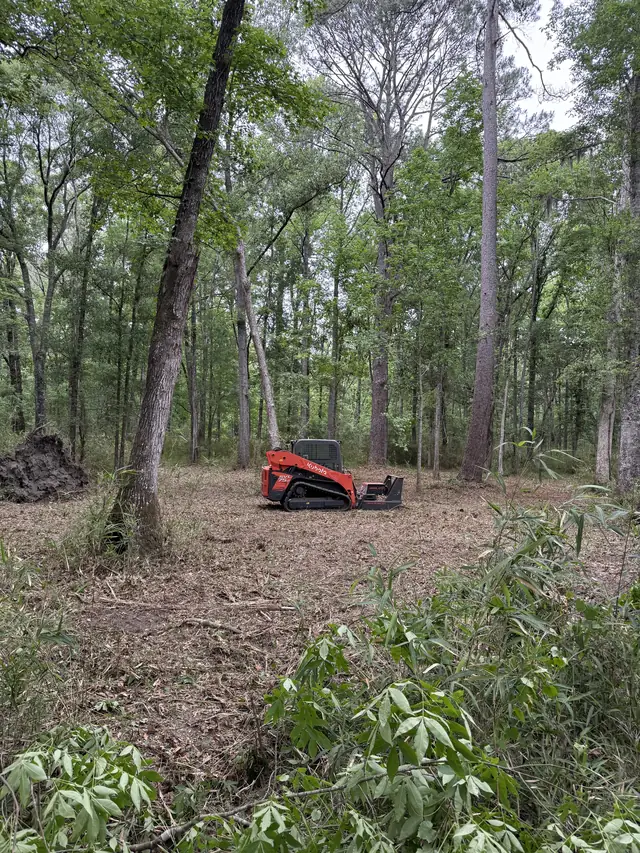
Forestry Mulching
One machine grinds standing brush, saplings, and small trees into a clean mulch layer. No burn piles, no hauling, no torn-up ground.
Learn More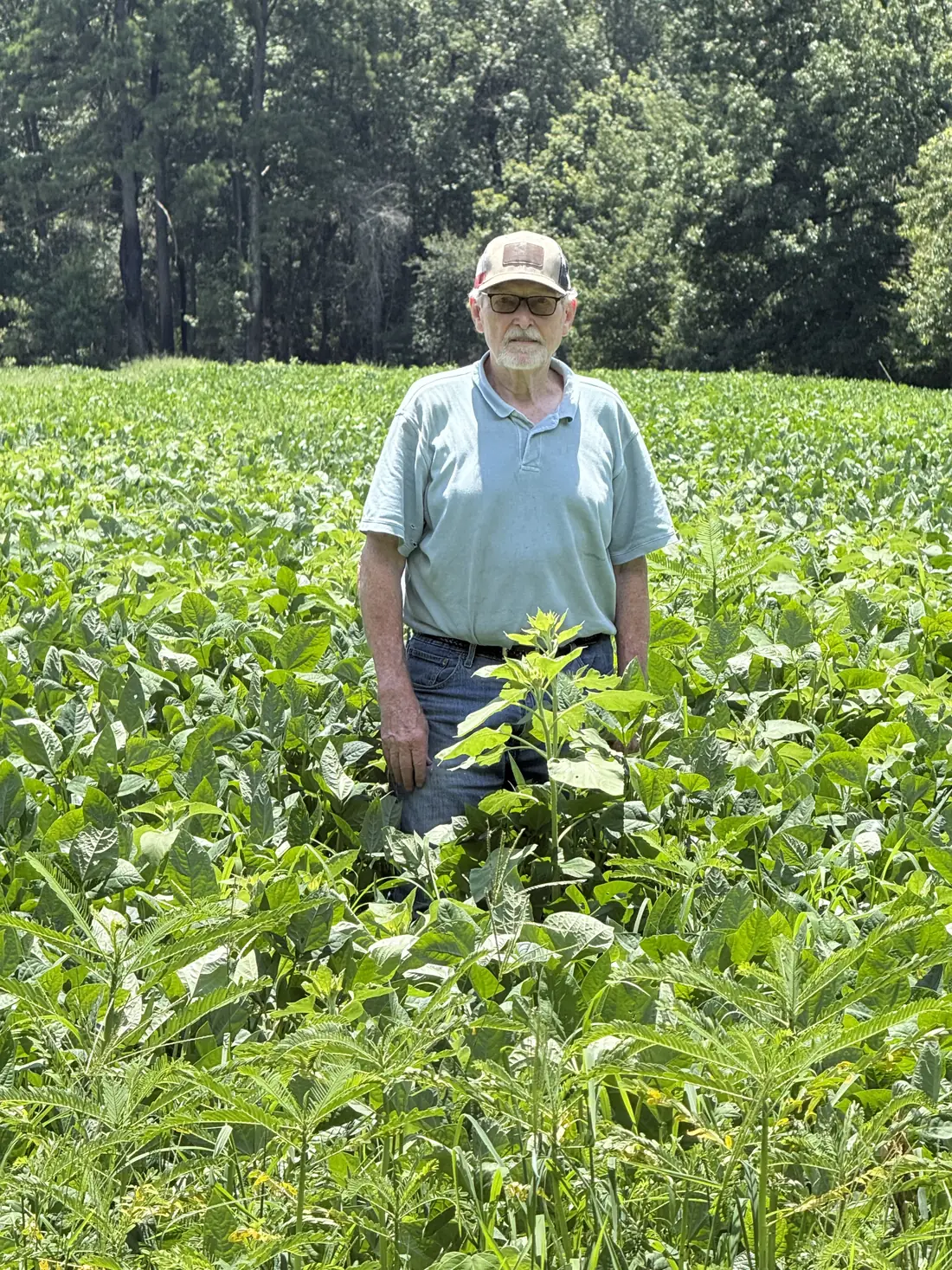
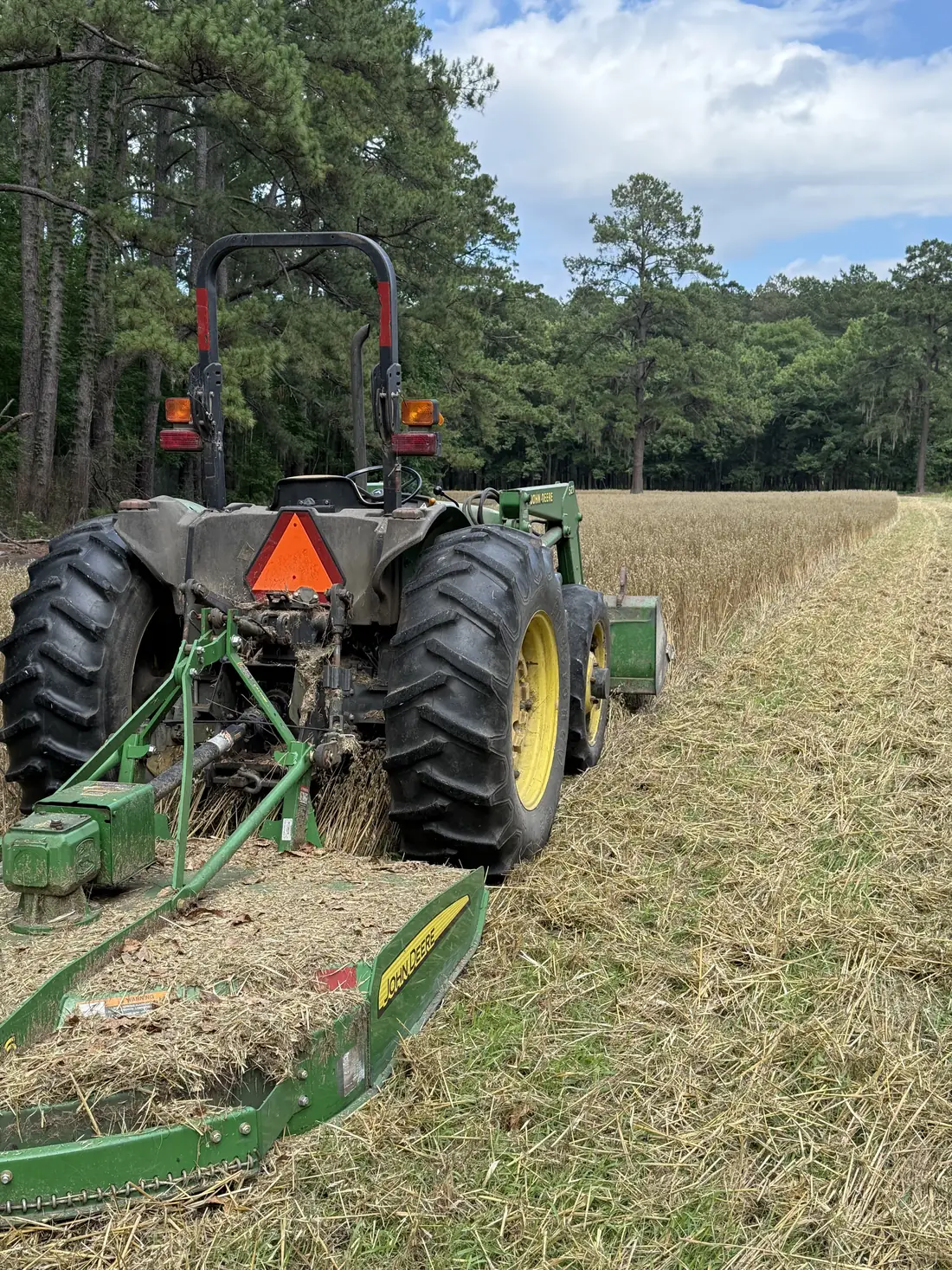
Pasture reclamation is the comeback story we get called for most around Charleston, Summerville, Walterboro and across the South Carolina Lowcountry: ground that carried cattle, horses, or hay within memory and carries dog fennel, blackberry, sweetgum, and volunteer loblolly now. The old field is still under there. We take it back — mulcher on the woody growth and edges, brush hog on the open middle — and hand you ground you can mow again.
The Lowcountry timeline is unforgiving: a field left alone here is brush in three years and young woods in ten. Wherever your ground sits on that slide, the reclaim is the same honest sequence — grind the woody takeover in place, finish even, and set a maintenance rhythm so the field never slips again.
Tell us about your ground and we will get right back to you.
Stage one is tall weeds and briars — pure bush hog work, cheap and fast. Stage two adds woody stems past thumb size and the first wall of myrtle and sweetgum: now the mulcher earns its keep. Stage three is young volunteer pine shading out the grass entirely. All three reclaim; the price and the tool mix change, which is why we quote from a walk.
Most real fields are all three stages at once — open middle, rough edges, closed corners. Running two machines lets us price each acre as what it actually is instead of charging the whole field at thicket rates.
Scrape a field with a dozer and you lose the topsoil the grass needs, then watch the bare dirt bake hard or wash in the first storm. Grinding the growth in place keeps the soil profile intact and lays a chip cover that holds moisture while grass re-establishes underneath.
Roots stay in the ground, stumps grind low enough to mow over, and the field transitions from reclaim to routine mowing in a season or two. It is the difference between recovering a pasture and re-building one from subsoil.
The reclaim is the expensive pass; keeping it is cheap. An annual or twice-yearly hogging rotation stops the brush at ankle height, and a quick mulcher touch-up on the edges every couple of years keeps the woods line honest.
We put reclaimed fields straight onto that rotation on our own family ground, and we will set yours up the same way — scheduled, priced ahead, and boring in the best possible way. No field we reclaim should ever need reclaiming twice.
Free, no-obligation estimates across the South Carolina Lowcountry.
(843) 696-7162From the first walk of the property to the final one, here is exactly how it goes.
We come out, walk the ground with you, and look at what is actually growing: brush density, stem sizes, wet spots, and anything you want protected or kept.
You get a free written estimate with a real timeline. We tell you exactly what the machine will leave behind, down to the finish on the ground, so there are no surprises.
The equipment shows up when we said it would. We clear to your flags, work selectively around keeper trees, and grind everything else into a clean mulch layer.
We walk the finished ground together. A finish pass evens out the mulch bed, and the job is done when you say it looks right, not when we drive away.
Common questions about pasture reclamation across the South Carolina Lowcountry. Don't see yours? Give us a call — we're happy to help.
One machine grinds standing brush, saplings, and small trees into a clean mulch layer. No burn piles, no hauling, no torn-up ground.
Learn More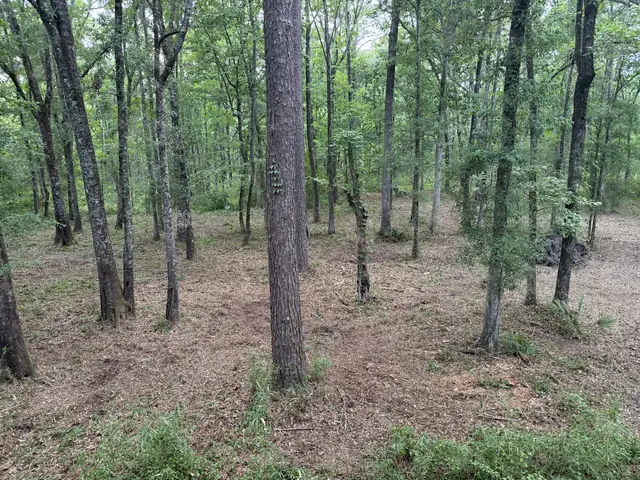
Whole parcels and problem acres taken from choked to open. Vegetation is ground in place — no burn piles, no debris trucks, no scraped-bare dirt.
Learn More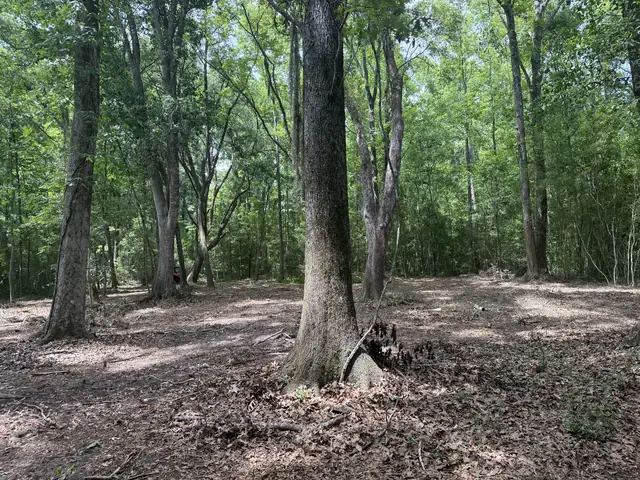
The brush layer under your oaks and pines — yaupon, privet, smilax, palmetto scrub — ground away so the woods open up park-like and walkable.
Learn More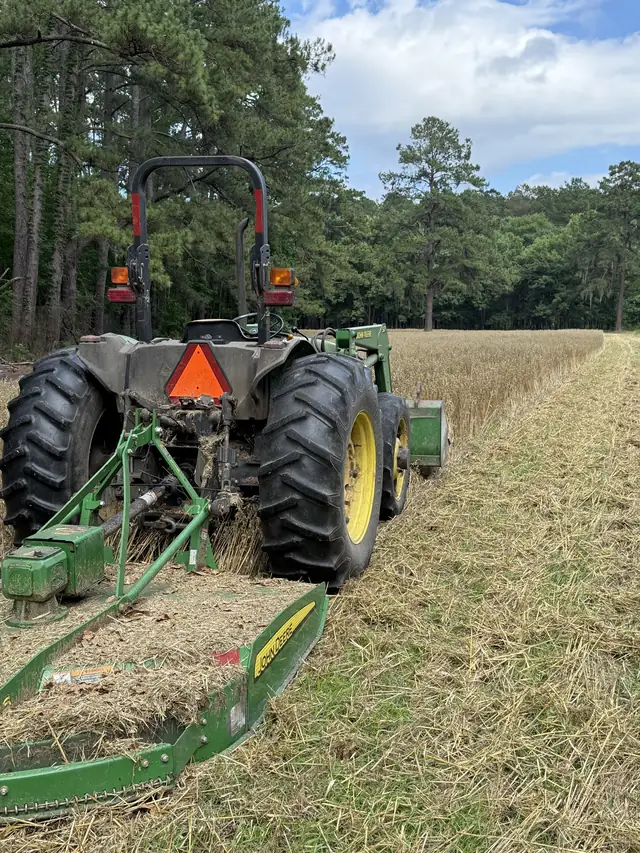
Tractor-and-rotary-cutter mowing for overgrown fields, pastures, and open acreage — the fast, economical fix when growth is heavy but still mowable.
Learn More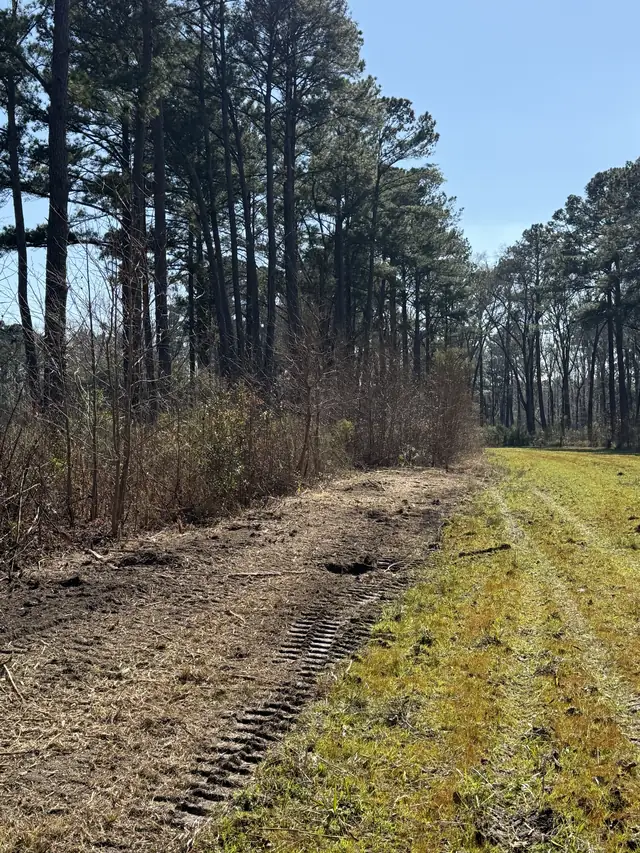
Overgrown lots and future homesites opened up so you can walk them, plan them, and show them — cleared selectively, finished clean.
Learn More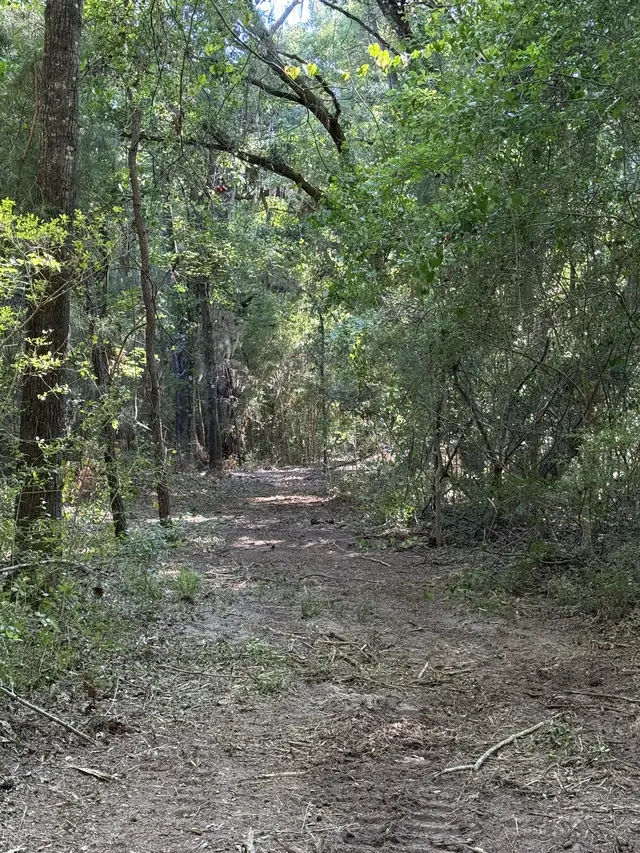
Walking trails, side-by-side lanes, camera lines, and shooting lanes cut through woods and brush — mulched clean so they stay open.
Learn MoreA father-and-son outfit out of Charleston. The people quoting your ground are the people running the machines on it, not a salesman or a call center.
Brush and small trees grind into a mulch layer right where they stood. No burn piles waiting on weather, no dumpsters, no debris trucks down your drive.
We walk the property, tell you exactly what the mulcher will leave behind, and put the price and timeline in writing. The number holds unless the scope changes.
Our family manages 327 acres in the ACE Basin — trails, plots, and clearing we cut ourselves. The advice you get is what we do with our own money.
Overgrown field, choked woods, fence row you cannot find anymore? Call or send the form and we will walk the property with you, talk through what the ground needs, and hand you a free written estimate.
Tell us about your ground and we will get right back to you.